blog
Design Plan: A Small-Space Pollinator Garden for Any Yard
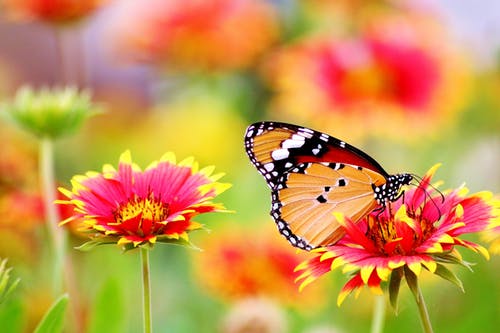
Pollinators like bees, butterflies, and hummingbirds are essential for a healthy garden and ecosystem. Even if you have a small yard, patio, or balcony, you can create a thriving pollinator habitat with the right plant selection and layout. Follow this simple design plan to bring beauty and biodiversity to your space while supporting these crucial creatures.
Garden Layout Overview
A well-planned pollinator garden incorporates a variety of native and nectar-rich plants that bloom throughout the season. The key is to layer plants by height, use clusters to attract pollinators, and provide food and shelter.
Small-Space Pollinator Garden Layout (Approx. 6′ x 6′)
- Back Row (Tall Plants – 3-4 feet high)
- Butterfly Weed (Asclepias tuberosa) – Bright orange blooms attract butterflies, especially monarchs.
- Purple Coneflower (Echinacea purpurea) – A long-blooming favorite for bees and butterflies.
- Middle Row (Medium Height – 2-3 feet high)
- Black-eyed Susan (Rudbeckia hirta) – Provides nectar and seeds for pollinators and birds.
- Bee Balm (Monarda didyma) – Vibrant red or pink flowers bring in hummingbirds and bees.
- Front Row (Low-Growing Plants – Under 2 feet high)
- Creeping Thyme (Thymus serpyllum) – A ground cover that produces small but nectar-rich flowers.
- Wild Blue Phlox (Phlox divaricata) – A spring bloomer that provides early-season nectar.
- Container or Edge Additions
- Lavender (Lavandula angustifolia) – A fragrant, pollinator favorite that thrives in pots.
- Zinnias (Zinnia elegans) – Easy to grow annuals with continuous blooms that attract butterflies.
Key Design Considerations
- Sunlight – Choose a sunny spot with at least 6 hours of sunlight per day for best blooms.
- Plant in Clusters – Pollinators are more likely to visit when plants are grouped rather than scattered.
- Provide Water – A shallow dish with stones for perching gives pollinators a place to hydrate.
- Avoid Pesticides – Use organic methods to keep the garden safe for pollinators.
- Seasonal Blooms – Select plants that flower at different times to provide nectar from spring to fall.
Benefits of a Small-Space Pollinator Garden
- Enhances the health and productivity of surrounding plants.
- Supports declining bee and butterfly populations.
- Adds beauty and fragrance to your outdoor space.
- Requires minimal upkeep once established.
At Lakeview Nurseries, we have everything you need to get started, from native pollinator plants to organic gardening supplies. Stop by and let us help you design the perfect small-space pollinator garden for your home!