blog, Plant Care
Pet-Safe Gardening Techniques & Plants That Could Be Harmful to Your Pets
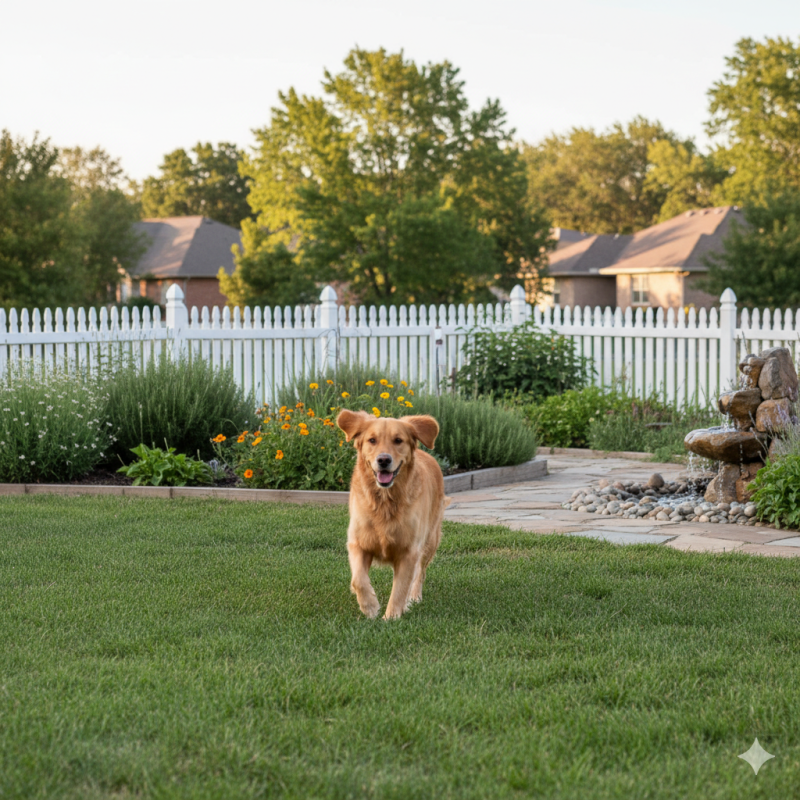
Creating a beautiful garden shouldn’t come at the expense of your pets’ safety. At Lakeview Nurseries, many of our customers garden with dogs and cats right by their side — which means choosing the right plants and techniques matters. With a few smart adjustments, you can design a landscape that’s lush, functional, and safe for every member of the family (furry ones included!).
🌿 Pet-Safe Gardening Techniques
Choose Non-Toxic, Pollinator-Friendly Plants
Non-toxic plants can still offer color, texture, and season-long performance. Some excellent pet-safe options for New England gardens include:
-
Marigolds (Calendula)
-
Sunflowers
-
Zinnias
-
Heuchera (Coral Bells)
-
Roses
-
Snapdragons
-
Herbs like basil, thyme, rosemary
-
Ornamental grasses
These plants align well with Lakeview’s focus on pollinators, natives, and Proven Winners selections, giving you both beauty and peace of mind.
Skip Synthetic Chemicals
Lakeview customers are increasingly choosing organic approaches — and pets benefit too. Chemical pesticides, herbicides, and synthetic lawn treatments can irritate paws or cause serious illness if ingested. Instead, consider:
-
Espoma organic fertilizers
-
Neem oil sprays
-
Insecticidal soaps
-
Hand weeding or flame weeding
-
Beneficial insects and natural ecosystem balance
Apply organic products early in the day and allow them to dry before pets go outside.
Design With Your Pets in Mind
A pet-friendly garden is one that redirects natural instincts instead of fighting them.
-
Add durable mulch or gravel paths so excited pups don’t cut through beds
-
Create a dedicated “dig zone” filled with soft soil or sand
-
Use raised beds to keep delicate vegetables and perennials out of reach
-
Choose sturdy shrubs along high-traffic areas (native inkberry holly is a great option)
Choose Safe Mulches
Avoid cocoa mulch, as it contains the same compounds found in chocolate and can be toxic to dogs. Instead, select:
-
Pine
-
Cedar
-
Hemlock
-
Stone or pea gravel
Provide Shade, Water, and Enrichment
A shaded resting spot and a clean water source help pets resist the temptation to chew plants. Enrichment toys or an outdoor digging pit can also keep curious pets occupied.
🚫 Plants That Can Be Harmful to Pets
While beautiful, some common garden plants can be toxic to dogs and cats. If you choose to grow them, place them well out of reach or in fenced beds.
Highly Toxic Plants
-
Lilies (especially dangerous for cats — even pollen can cause kidney failure)
-
Foxglove (Digitalis)
-
Oleander
-
Yew (Taxus)
-
Sago Palm
Moderately Toxic Plants
-
Hydrangea
-
Hosta
-
Daffodils (especially bulbs)
-
Tulips (bulbs most dangerous)
-
Rhododendron/Azalea
Mild Irritants
-
Aloe vera
-
Tradescantia (Wandering Dude)
-
Chrysanthemums
If you’re unsure about a plant’s safety, our staff is always happy to help you compare options.
🌱 Pet-Safe Alternatives to Toxic Favorites
| Toxic Plant | Pet-Safe Substitute |
|---|---|
| Lilies | Peonies, Daylilies (still use caution with cats) |
| Foxglove | Penstemon |
| Hydrangea | Rose of Sharon, Butterfly Bush |
| Hosta | Heuchera (Coral Bells) |
| Daffodils/Tulips | Grape Hyacinth, Calendula |
Lakeview Nurseries carries many of these safer alternatives in our native plant collections, Proven Winners lineup, and perennial yard.
Final Tips for a Safe, Happy Landscape
-
Walk your garden weekly and remove mushrooms — many wild fungi are toxic to pets.
-
Secure compost bins to avoid accidental ingestion.
-
Use small fencing around delicate beds if you have a curious digger.
-
Introduce new plants slowly and watch how your pets interact with them.
At Lakeview Nurseries, we’re here to help you create a garden that’s both beautiful and family-friendly — paws included.
Stop by this week to explore our organic products, pet-safe plant picks, and native pollinator options. And don’t forget to download our app for exclusive seasonal deals and gardening tips!