blog
Planting for Pollinators: How to Create a Buzz-Worthy Garden
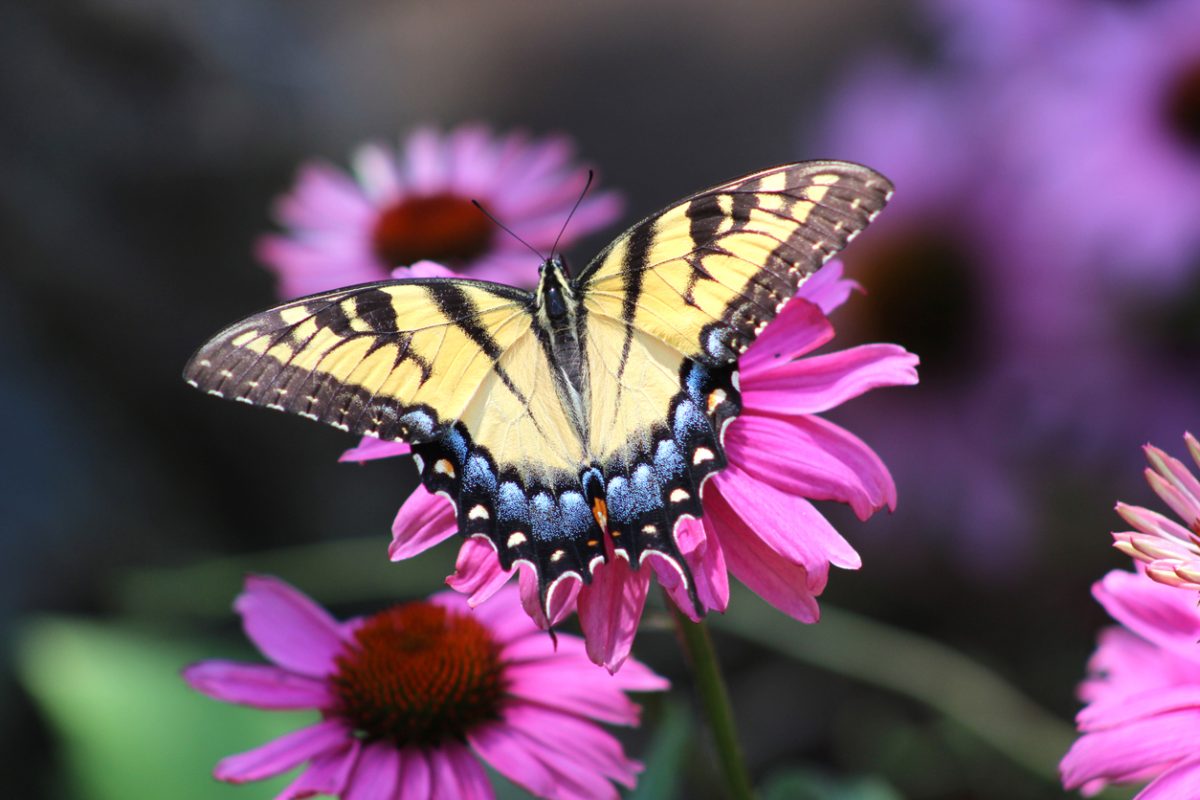
Welcome to Lakeview Nurseries’ guide to creating a pollinator-friendly garden! As spring blossoms, there’s no better time to think about how we can contribute to the health and vitality of bees, butterflies, and other beneficial insects. These small yet mighty creatures play a crucial role in our ecosystem, aiding in the pollination of many plants and crops. Here’s how you can turn your garden into a haven for these vital pollinators.
Why Pollinators Matter
Pollinators like bees, butterflies, moths, and even some birds are essential for cross-pollination, which helps at least 30% of the world’s crops and 90% of our wild plants to thrive. Without them, many plants we rely on for food, fibers, and medicines would struggle to survive. Creating a pollinator-friendly garden not only supports these important species but also enhances the health and beauty of your garden.
Choosing the Right Plants
The key to a successful pollinator garden is diversity. Planting a variety of flowering plants will attract different types of pollinators and ensure blooms throughout the growing season. Here are some top plant choices to consider:
- For Bees: Lavender, borage, and bee balm are fantastic as they offer ample nectar. Bees are particularly drawn to blue, purple, and yellow flowers.
- For Butterflies: Milkweed, butterfly bush, and verbena not only provide nectar but also breeding grounds for their larvae.
- For Hummingbirds: Go for bright red and tubular-shaped flowers like salvia and trumpet vine which are perfect to accommodate their feeding style.
Planning Your Garden Layout
When designing your garden, consider the following tips to make it more inviting and accessible for pollinators:
- Sunlight is Key: Most flowering plants that attract pollinators require full sun, so aim for areas that receive at least six hours of direct sunlight a day.
- Plant in Clusters: Grouping similar plants together in clumps of three or more helps pollinators easily locate and move between them.
- Include Different Heights: Having plants of various heights not only adds aesthetic appeal but also caters to different species of pollinators.
- Add Water Sources: A shallow birdbath, a dripping water feature, or even a mud puddle can provide necessary water for pollinators, especially in hot weather.
Organic Gardening Practices
To truly support pollinators, it’s important to adopt organic gardening practices:
- Avoid Pesticides: Chemical pesticides can harm beneficial insects. Opt for natural pest control methods and be mindful of any treatments you apply to your garden.
- Use Organic Mulch: Organic mulches like straw or bark maintain soil moisture and health without introducing harmful chemicals.
- Compost: Adding compost not only enriches the soil but also supports a healthy ecosystem which is beneficial for both plants and pollinators.
Engaging with the Community
Why keep the beauty to yourself? Encourage your neighbors to create their own pollinator-friendly spaces. This can lead to a network of gardens, which provide larger habitats and more resources, thus greatly benefiting the overall health of the local pollinator population.
Get Started with Lakeview Nurseries
At Lakeview Nurseries, we’re committed to helping you create the perfect habitat for pollinators. Visit us to find the best plants for your garden, and get personalized advice from our expert staff. Let’s work together to make a difference for our pollinators, one garden at a time!
Happy planting, and see you in the garden!