blog
Pruning in April: What to Cut, What to Leave
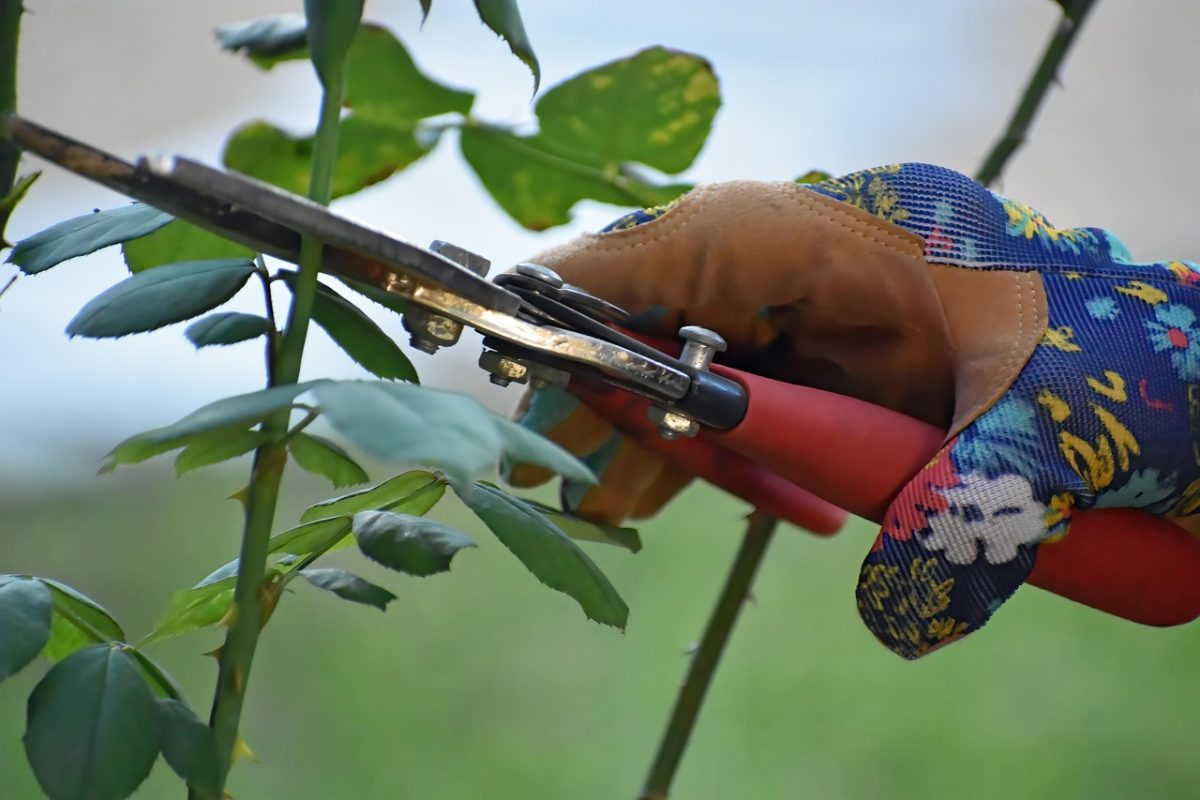
April is prime time to get your garden in shape—but before you reach for the pruners, it’s important to know what to cut and what to leave alone. A well-timed trim can encourage healthy growth, better blooms, and tidy structure. But pruning at the wrong time? That could mean fewer flowers or stressed-out plants. Here’s your guide to what’s safe to prune now—and what needs to wait.
🌿 What to Prune in April
1. Roses (Most Types)
Now’s the perfect moment to prune hybrid teas, floribundas, and shrub roses.
-
Cut back to about 12–18 inches from the base.
-
Remove dead or weak wood.
-
Aim for an open shape to encourage airflow and prevent disease.
2. Panicle and Smooth Hydrangeas
If you have Hydrangea paniculata or Hydrangea arborescens (like Limelight or Annabelle), go ahead and prune now.
-
These bloom on new wood, so spring pruning won’t sacrifice flowers.
-
Cut back to shape and remove weak stems.
3. Summer-Flowering Shrubs
Think butterfly bush, potentilla, bluebeard, and spirea (summer types).
-
These bloom on new growth, so trimming now promotes fuller plants and more flowers.
4. Ornamental Grasses and Perennials
Cut back last year’s dead growth to make way for the new.
-
Trim grasses to about 4–6 inches.
-
Clean up sedum, echinacea, and other perennials left standing for winter interest or wildlife.
🚫 What Not to Prune in April
1. Bigleaf and Oakleaf Hydrangeas
These bloom on old wood—last year’s stems.
-
Avoid pruning now or you’ll cut off this year’s blooms.
-
Wait until after they flower if shaping is needed.
2. Spring-Flowering Shrubs
Lilacs, forsythia, rhododendrons, azaleas, and viburnums—hold off!
-
These already set buds last fall.
-
Prune after they bloom to preserve this season’s display.
3. Evergreens (Most)
Boxwood, holly, yews, and arborvitae should be shaped later—mid to late spring when new growth appears.
-
Pruning too early can cause winter damage or uneven regrowth.
✂️ Pro Tips for Pruning Success
-
Always use clean, sharp tools. This helps prevent the spread of disease and makes cleaner cuts.
-
Cut at an angle just above an outward-facing bud to encourage open, natural growth.
-
When in doubt, don’t prune it out. It’s better to wait than to risk cutting at the wrong time.