blog
Wildlife-Friendly Winter Gardens: Helping Birds and Pollinators Survive
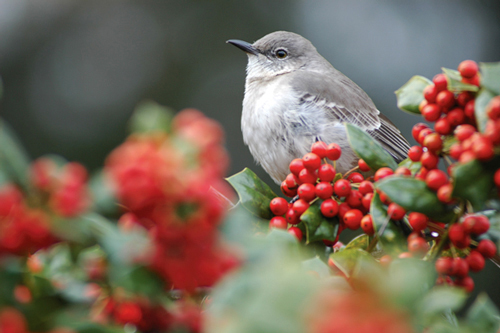
How to create a safe haven for beneficial wildlife all winter long
When winter settles in, many gardeners think their work is done — but for birds, pollinators, and other garden visitors, the cold months are some of the toughest to survive. Creating a wildlife-friendly winter garden doesn’t just help these creatures thrive; it also brings your landscape to life with natural beauty and movement, even in the quietest months of the year.
Leave the Seed Heads
It can be tempting to tidy up every last perennial in fall, but leaving seed heads on plants like coneflowers, black-eyed Susans, and ornamental grasses provides an essential food source for birds. Finches, sparrows, and chickadees love to perch and forage among these natural feeders, while the standing stems provide shelter for overwintering insects and pollinators.
Letting nature take its course also adds winter texture and interest to your garden — shimmering seed heads dusted with frost can be just as beautiful as summer blooms.
Provide Water, Even in the Cold
Fresh water is just as vital as food during the winter months. Birds rely on unfrozen water for drinking and bathing, which keeps their feathers in good condition for insulation.
Consider adding a heated birdbath or placing a shallow dish of water in a sunny spot where it won’t freeze as quickly. Refill it regularly and keep it clean. A simple step like this can turn your yard into a daily stopover for neighborhood wildlife.
Plant Native Shrubs with Berries
Native shrubs that produce berries offer both nourishment and shelter through the coldest months. Species like winterberry holly, arrowwood viburnum, and bayberry attract birds and provide color when much of the landscape turns gray.
At Lakeview Nurseries, we proudly feature the American Beauties Native Plants collection — specially selected native plants that support pollinators and birds year-round. By incorporating these shrubs and perennials, you’re not just decorating your garden; you’re helping restore natural habitats right in your backyard.
Add Shelter and Habitat
Windbreaks, brush piles, and evergreen trees can all provide valuable shelter during harsh weather. Leave a few leaf piles in protected corners to give overwintering butterflies, bees, and other beneficial insects a place to rest. Even a small patch of native habitat can make a big difference in sustaining wildlife populations through the winter.
FAQ: Supporting Wildlife in Winter
Q: Should I feed birds in winter, or will that make them dependent?
Feeding birds is helpful, especially in severe weather, but it’s best to supplement natural food sources rather than replace them. Offer black-oil sunflower seeds or suet, and keep feeders clean.
Q: Do pollinators really stay active in winter?
Many pollinators overwinter in leaf litter, soil, or hollow stems. Leaving parts of your garden undisturbed protects these hidden habitats.
Q: Are all berry-producing plants safe for birds?
Stick to native varieties like those in the American Beauties Native Plant line. Some ornamental plants, such as certain non-native hollies, can have berries that are inedible or even toxic to birds.
Q: How can I attract more species year-round?
Diversity is key. Mix flowering plants, shrubs, trees, and grasses that bloom and fruit at different times to provide continual food and shelter.
Keep Nature Thriving This Winter
By leaving seed heads, providing fresh water, and planting native shrubs with berries, you can turn your garden into a sanctuary for wildlife all winter long. It’s a simple and rewarding way to connect with nature and make a positive impact right outside your door.
Visit Lakeview Nurseries at 308 Electric Avenue (Route 13), Lunenburg, MA 01462, or call (978) 342-3770 to explore native plants, winter shrubs, and wildlife-friendly garden supplies. You’ll find trusted brands like Proven Winners®, Espoma®, Jonathan Green®, and SunGro soils, along with expert advice to help your garden flourish through every season.
Download our free app at CLICK HERE for seasonal gardening tips, exclusive offers, and eco-friendly ideas —
from Michelle and the Plant Geeks at Lakeview Nurseries.