blog
🐝 Pollinators
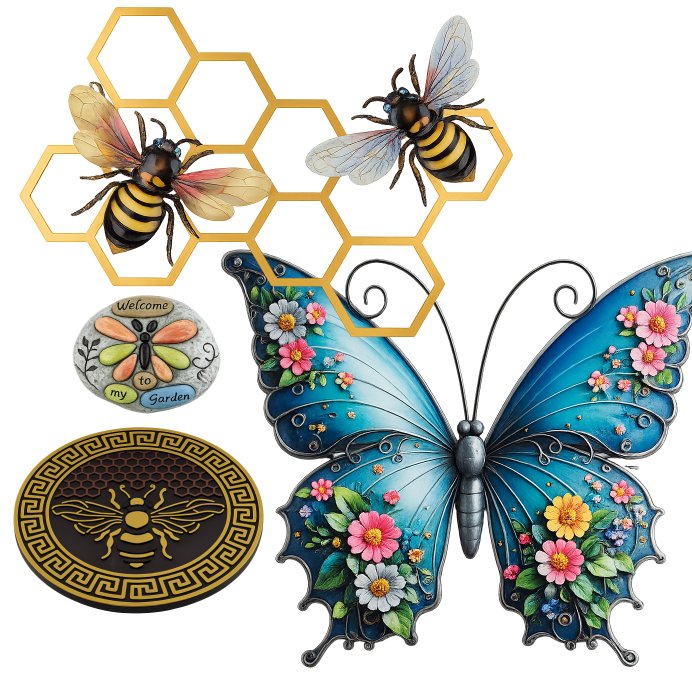
A favorite for good reason. Bees, butterflies, hummingbirds, and other pollinators may be small, but the work they do in our landscapes is anything but. This theme celebrates those tiny powerhouses and the life, movement, and color they bring to our gardens. It is joyful, meaningful, and right at home anywhere plants and people gather.
Supporting pollinators is often simpler than it sounds. Many of the plants we already love for their color, texture, and long bloom time happen to be favorites of pollinators too. Designing with them in mind does not require a complete overhaul. It can be as easy as choosing a few key plants, adding thoughtful accents, or creating one small area that invites them in.
Pollinator-friendly garden design works beautifully at any scale. A foundation bed, a mixed perennial border, a container on the patio, or even a single focal plant can all play a role. Plants like milkweed, coneflower, daisies, native hydrangeas, and other nectar-rich bloomers provide food, shelter, and seasonal rhythm while fitting seamlessly into ornamental landscapes.
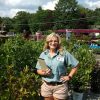
This is a topic we are especially excited about, thanks to Jacquie, who recently completed a Pollinator Stewardship program and is more than ready to share what she learned. Her enthusiasm and knowledge have been a great reminder that small choices add up quickly when it comes to supporting pollinators.
To help carry this theme beyond plants alone, I’ve brought in a collection of garden accents that reinforce the message in subtle, welcoming ways. Wall art, stepping stones, small decorative stones with inspirational words, birdbaths, hummingbird feeders, and wind spinners all add movement, sound, and personality to the garden. These pieces help draw the eye, create focal points, and echo the activity of pollinators moving through the landscape.
Whether you are planting a full pollinator garden, adding a few favorite plants, or incorporating accents that celebrate these essential creatures, the Pollinators theme is about inviting life in and letting the garden do what it does best. Support the small things, and the whole landscape benefits.