blog
A Gentle Reminder: Leave the Garden Standing a Little Longer
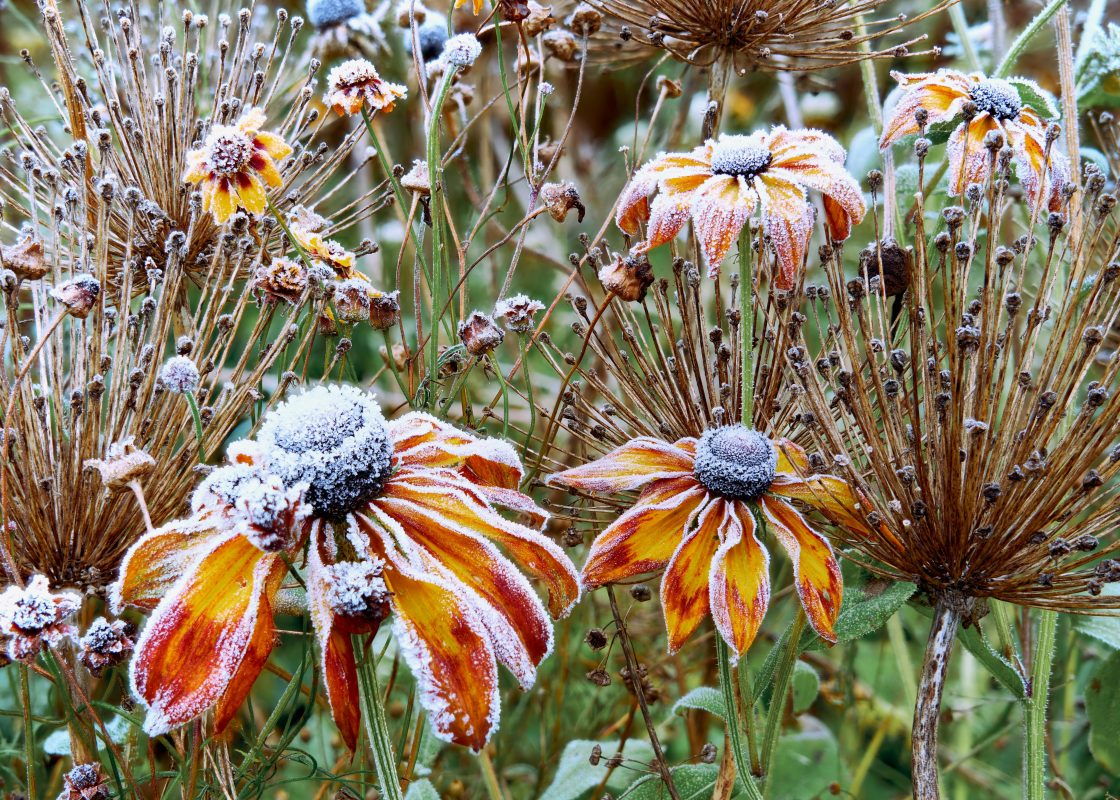
By late winter, it’s hard not to want to tidy up. The urge to cut things back, rake everything smooth, and “get a head start” on spring is real, especially after a long Massachusetts winter.
But before you reach for the pruners, here’s your friendly reminder: leave those perennial stems and seed heads in place just a little longer.
Your garden may look quiet, but it’s very much occupied.
Your Garden Is Still Hosting Winter Guests
In our Massachusetts climate, winter isn’t over just because the days are getting longer. Many beneficial insects, native bees, butterflies, lady beetles, and other helpful allies, are still tucked safely into hollow stems, seed heads, leaf litter, and plant debris.
They’re not being lazy. They’re being strategic.
Cutting back too early can remove critical shelter just as these insects are waiting for the right temperatures to emerge. Think of perennial stems as tiny apartment buildings, and seed heads as the rooftop lounge.
🌱 Garden Geek Translation:
What looks “messy” to us is prime real estate to pollinators.
Seed Heads Do More Than Look Interesting
Leaving seed heads standing isn’t just about insects, it also supports birds and adds winter interest to the landscape.
Plants like:
- Coneflower (Echinacea)
- Black-eyed Susan (Rudbeckia)
- Ornamental grasses
- Sedum
provide food for birds well into late winter. They also catch snow and frost beautifully, adding structure and movement when everything else is dormant.
And yes, those same plants will forgive you for waiting. They’re tougher than they look.
When Should You Cut Back in Massachusetts?
In our area, a good rule of thumb is to wait until:
- Nighttime temperatures are consistently above freezing
- Soil has begun to warm
- New growth is clearly visible at the base of plants
That usually puts serious cleanup closer to mid-to-late April, depending on the year.
Another great cue? When forsythia starts blooming. It’s not just a spring cheerleader—it’s also a reliable signal that soil temperatures are rising and insect activity is picking up.
🌱 Garden Geek Tip:
If you see green at the base of the plant, then you can cut back what’s above it. The plant will tell you when it’s ready.
A Little Restraint Goes a Long Way
Leaving things standing a bit longer doesn’t mean never cleaning up—it just means cleaning up with intention.
You can:
- Tidy paths and visible areas
- Leave stems in beds where they won’t be trampled
- Gradually cut back in stages instead of all at once
This staggered approach supports wildlife while still letting you ease into the season.
The Payoff Comes Later
The reward for patience shows up in May and June: more pollinators, healthier plants, and a garden that feels alive and balanced from the ground up.
Spring will come whether we rush it or not. Letting the garden wake up at its own pace supports the ecosystem, and makes our jobs easier in the long run.
Sometimes the best thing you can do for your garden in early spring is… nothing at all.
And honestly? That might be the hardest garden task of all.