blog
A Seasonal Note as Easter Approaches
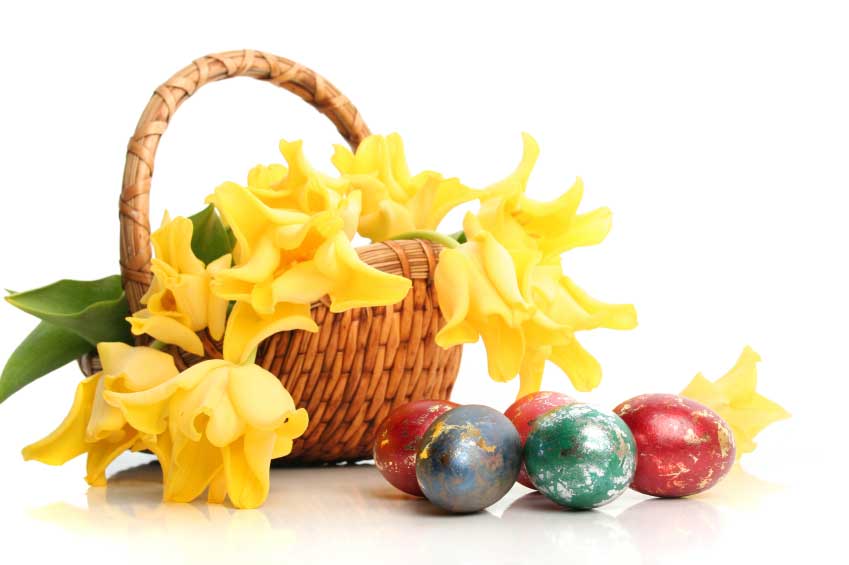
With Easter arriving early this year on April 5, March often becomes the moment when people start thinking about spring displays—containers by the door, baskets on the porch, and small signs of color that say yes, we’re almost there.
Early spring bulbs, baskets, and potted plants aren’t about permanence. They’re about marking the shift in seasons. After months of muted landscapes, these short-lived displays offer color, fragrance, and a sense of celebration right when we need it most.
Potted Easter Plants: A Quick Guide
Potted spring bulbs and flowering plants are staples of Easter décor, and for good reason. They’re cheerful, familiar, and full of promise. But not all of them play the long game equally once the holiday is over.
Here’s how to think about the most popular choices.
Easter Lilies
Easter lilies are iconic, elegant white blooms, strong fragrance, and instant impact indoors. They’re grown specifically to bloom for the holiday, which means they’ve been carefully timed and pampered along the way.
Garden Geek Tip:
Easter lilies can be planted outdoors after blooming, but expectations matter. Once flowers fade, remove the spent blooms and keep the plant growing indoors in bright light until danger of frost has passed. Plant it outside in a well-drained spot. You won’t see flowers again this season, and reblooming the following year is hit-or-miss in New England. Think of it as a long-term experiment, not a guaranteed encore.
Tulips
Potted tulips bring instant color and structure, and they’re hard to resist this time of year. Indoors, they tend to stretch toward the light and finish quickly, but they do their job beautifully while they last.
Garden Geek Tip:
In our experience, tulips that have bloomed indoors rarely perform well if replanted outdoors. They’ve used up most of their stored energy and often struggle to reset properly. Enjoy them fully indoors, then let them head to the compost pile with gratitude. Sometimes the right answer really is thank you for your service.
Hyacinths
Hyacinths are all about fragrance. A single pot can scent an entire room, making them a favorite for Easter tables and entryways.
Garden Geek Tip:
Hyacinths can be planted outdoors after blooming, but like tulips, results vary. If you want to try, allow foliage to die back naturally before planting outside. Just know that future blooms may be smaller or take a year or two to return. Composting is also a perfectly reasonable and guilt-free choice.
Daffodils
Daffodils are the overachievers of the group. They’re tough, reliable, and far more forgiving than most people expect.
Garden Geek Tip:
Daffodils are the best candidates for planting outdoors after Easter. Once blooms fade, keep the plant growing in bright light, then plant outside when conditions allow. While they may skip a year of flowering, they often rebound well and return strong in future springs. If you’re going to give one bulb a second life, this is the one.
🌱 Lakeview Plant Geek Reality Check
Not every seasonal plant needs a permanent home in the garden to be “worth it.” These plants are grown to celebrate a moment—and doing that well is enough.
If you enjoy the challenge of planting things out and seeing what happens, go for it. If you’d rather compost them and make room for what’s next, that’s good gardening too. The real goal is enjoying the season while it’s here.
Planning Ahead Without Rushing
March is the month for thinking ahead—about baskets, containers, and where those early spring touches will land. April will bring more options, more color, and more opportunities to plant things that are meant to last.
For now, it’s enough to choose what makes you smile when you walk through the door.
After all, spring doesn’t need to be permanent to be meaningful.