blog
Building a Butterfly and Hummingbird Garden: Plants and Features to Attract Pollinators During the Summer
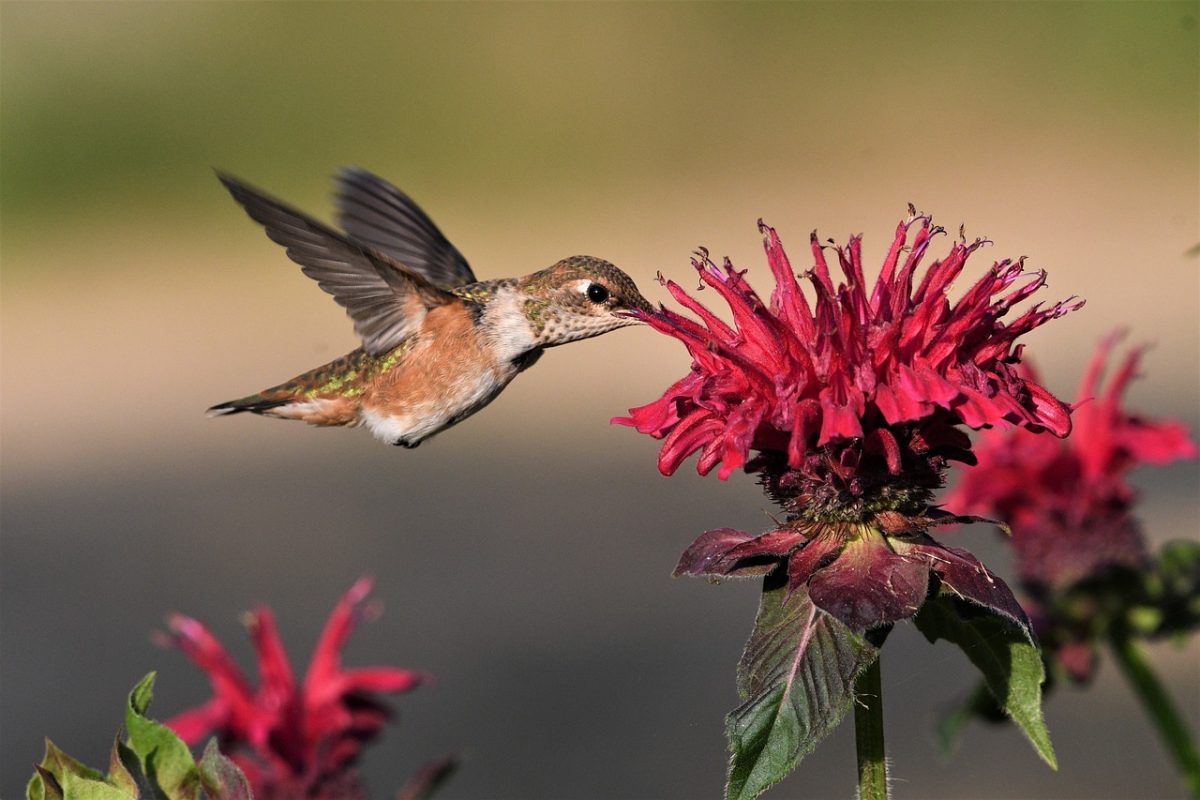
Creating a butterfly and hummingbird garden is a rewarding way to bring the beauty of nature into your backyard while supporting essential pollinators. Butterflies and hummingbirds are not only delightful to watch, but they also play a crucial role in pollination, helping to ensure the health and productivity of your garden. Here’s how you can create a garden that attracts these vibrant visitors during the summer.
1. Choose the Right Plants
Selecting plants that provide nectar and pollen is the key to attracting butterflies and hummingbirds. Opt for a mix of native plants and colorful blooms to ensure a continuous supply of food throughout the summer.
- Milkweed (Asclepias spp.): Essential for monarch butterflies, milkweed is both a host plant for caterpillars and a nectar source for adult butterflies. It’s a must-have in any butterfly garden.
- Bee Balm (Monarda spp.): Known for its bright red, pink, or purple flowers, bee balm is a magnet for hummingbirds and butterflies. Its long bloom time ensures a steady supply of nectar.
- Salvia (Salvia spp.): With its tubular flowers, salvia is perfect for hummingbirds. Choose varieties like ‘Hot Lips’ or ‘Black and Blue’ for a dramatic display.
- Coneflowers (Echinacea spp.): These hardy perennials not only add color to your garden but also attract butterflies with their nectar-rich flowers. The seed heads also provide food for birds in the fall.
- Butterfly Bush (Buddleia spp.): As its name suggests, the butterfly bush is a favorite among butterflies. Its fragrant, cone-shaped flowers come in various colors and bloom throughout the summer.
- Lantana (Lantana camara): Lantana’s bright, multi-colored flowers are irresistible to both butterflies and hummingbirds. This plant thrives in hot, sunny spots.
2. Provide Water Sources
Butterflies and hummingbirds need water, but they prefer it in a more accessible form. Shallow puddles, damp sand, or a birdbath with stones where butterflies can land are excellent options. For hummingbirds, consider a mister or a shallow fountain where they can bathe and drink.
3. Create Shelter and Nesting Sites
Butterflies need shelter from wind and predators, and a safe place to lay their eggs. Include shrubs, tall grasses, and small trees where butterflies can rest and caterpillars can feed. Hummingbirds may use small trees or shrubs for nesting. Consider adding a few hummingbird houses to your garden to encourage nesting.
4. Avoid Pesticides
Pesticides can harm butterflies, hummingbirds, and other beneficial insects. Instead, focus on creating a healthy garden ecosystem where natural predators like ladybugs and birds can keep pests in check. If you must use pesticides, opt for organic options and apply them carefully to avoid harming your pollinators.
5. Add Perches and Feeding Stations
Hummingbirds, in particular, appreciate perches where they can rest between feedings. Place a few thin branches or decorative perches near your flowering plants. You can also supplement their diet with a hummingbird feeder filled with a simple sugar-water solution (1 part sugar to 4 parts water). Be sure to clean the feeder regularly to prevent the growth of harmful mold or bacteria.
6. Plan for Continuous Bloom
To keep your garden vibrant and full of life all summer long, plan for a succession of blooms. Choose a variety of plants that flower at different times, ensuring there’s always something in bloom to attract and feed your pollinators.
7. Incorporate Host Plants for Caterpillars
Don’t forget that butterflies start as caterpillars! Include host plants like parsley, dill, and fennel for swallowtail butterflies. This not only supports the full lifecycle of the butterflies but also adds an interesting dynamic to your garden as you watch caterpillars transform into beautiful butterflies.
By incorporating these elements into your garden, you’ll create a welcoming habitat for butterflies and hummingbirds, enhancing the beauty of your space and supporting the health of these important pollinators. Whether you’re an experienced gardener or just starting, the rewards of watching your garden come to life with fluttering wings and darting beaks will be well worth the effort.
Happy gardening from Michelle and the Plant Geeks at Lakeview!