blog
Houseplants & Overwintered Plants: Balance Before the Growth Spurt
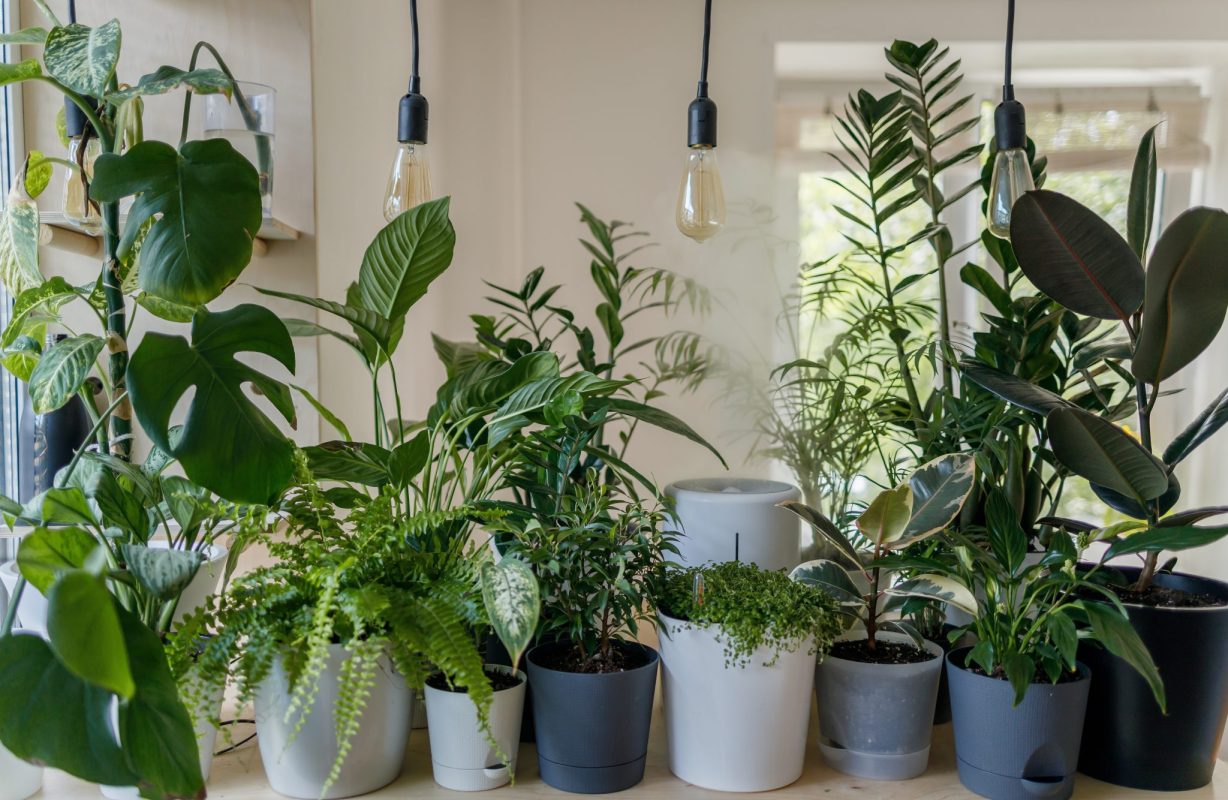
As daylight slowly increases, houseplants and overwintered plants begin to respond, often subtly at first. You might notice a new leaf unfurling, a bit more water use, or a plant that suddenly seems more alert than it did a few weeks ago.
This is the moment when it’s tempting to jump in and do something. But late winter is really about observation, not intervention. The goal right now isn’t to force growth, it’s to support it as it wakes up naturally.
Think of this phase as stretching before a workout. Necessary, gentle, and best not rushed.
Why Soilless Potting Mixes Matter
One of the most important (and often overlooked) factors in winter and early-spring plant health is what your plants are growing in.
At Lakeview, we use Black Gold Organic Potting Mix throughout our greenhouse, and there’s a reason for that choice. All houseplants and overwintered containers do best in soilless potting mixes, not garden soil.
Soilless mixes are designed to:
- Drain efficiently while still holding consistent moisture
- Allow oxygen to reach roots (roots need air as much as water)
- Reduce compaction over time
- Support healthier root systems indoors
Black Gold Organic Potting Mix strikes a great balance. It holds moisture without staying soggy, drains well, and provides a stable structure for roots, especially important during winter, when slower growth makes plants more sensitive to overwatering.
🌱 Garden Geek Truth:
Most houseplant problems don’t start with pests or fertilizer, they start with roots that can’t breathe.
Watering: Small Adjustments, Not Big Swings
As light levels improve, plants often begin using water a bit faster. The key word here is gradually.
Instead of changing your watering schedule all at once, pay attention to how quickly pots are drying and adjust in small increments. Overwatering is still the most common issue we see this time of year, especially when enthusiasm outpaces actual growth.
Good airflow and appropriate spacing also help prevent lingering moisture around leaves and soil surfaces. Plants don’t mind cool rooms nearly as much as they mind damp, stagnant air.
Fertilizing in Late Winter: Less Is Still More
This is one of the most common questions we hear:
“Should I start fertilizing my houseplants now?”
The answer depends on what the plant is doing.
Green Foliage Plants
For foliage plants that are just beginning to show signs of new growth, light feeding can start once growth is steady and consistent, not just hinted at.
A balanced option like Jack’s Classic Houseplant Food works well here. It’s water-soluble, easy to control, and allows you to feed lightly and regularly rather than all at once. This supports leaf development without pushing plants faster than the light can support.
Flowering Houseplants
Flowering plants tend to be more sensitive to timing. Hold off on fertilizing until you see active growth or bud development. Feeding too early can encourage soft growth that doesn’t hold up well indoors.
For those who prefer an organic approach, Espoma Organic All Purpose is a gentle, steady option. It releases nutrients slowly and works well once plants are clearly awake and growing.
🌱 Lakeview Garden Geek Tip:
Fertilizer doesn’t create growth, it supports growth that’s already happening. If a plant isn’t growing yet, feeding it just adds extra stress.
Watch Closely for Winter Wear and Tear
Late winter is also a good time to inspect plants that experienced temperature swings, dry air, or inconsistent light over the winter months.
Keep an eye out for:
- Pests taking advantage of stressed plants
- Soft or rotting growth at the base
- Pale, stretched leaves signaling low light
Catching issues now, while growth is still slow, makes correction much easier.
A Season of Balance
Right now, the focus is balance. Allow plants to respond naturally to improving light. Support them with good soil, consistent moisture, and patience. Resist the urge to push growth before conditions truly support it.
Spring will bring plenty of opportunity for repotting, feeding, and growth spurts. February and early March are about setting the stage so those moments unfold smoothly.
Quiet care now leads to strong, confident plants later, and that’s always worth waiting for.