blog, Plant Care
How to Create a Cutting Garden: A Lakeview Nurseries Guide
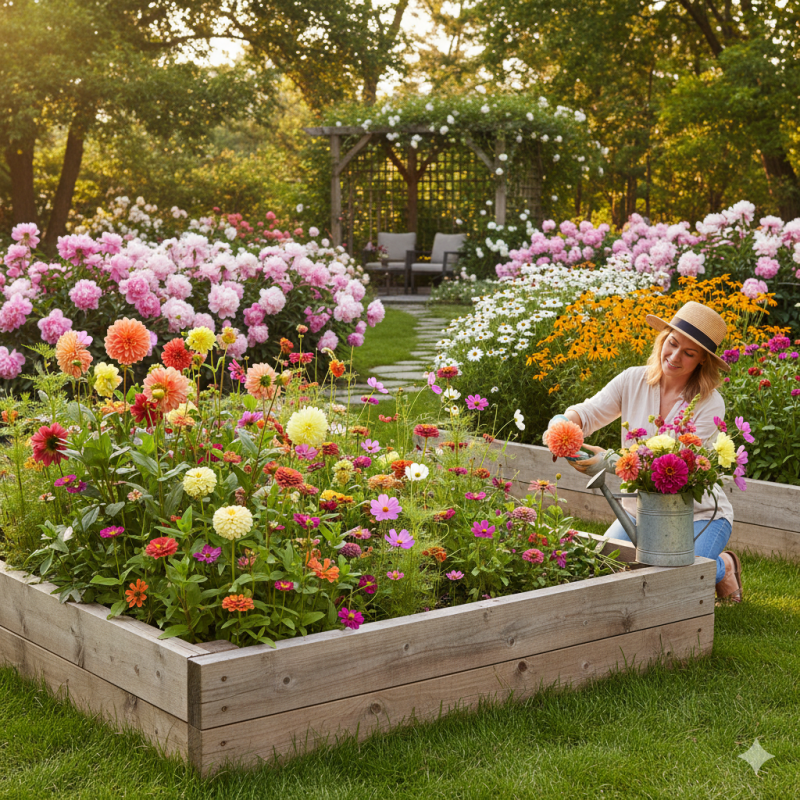
There’s something magical about stepping outside with a pair of snips and returning with a handful of fresh flowers. A cutting garden gives you color all season long, provides endless bouquets for your home, and turns any gardener into an artist. At Lakeview Nurseries, we love helping gardeners build spaces that inspire—and a cutting garden is one of the most rewarding projects you can start.
Start With the Right Spot
A successful cutting garden begins with a sunny space. Most flowering plants thrive with 6–8 hours of sun per day. Choose an area with easy access to water—your blooms will appreciate consistent moisture, especially in midsummer.
Prepare the soil by adding compost or Espoma Organic Plant-tone to enrich nutrients and promote strong stems and colorful flowers. At Lakeview, our team can help you choose the right amendments for your soil type.
Design for Blooming All Season
The secret to a long-lasting cutting garden is succession planting—choosing plants that bloom at different times so you always have something to cut. Combine spring, summer, and fall bloomers for a season-long parade of color.
Break your garden into three layers:
-
Base layer: shrubs or tall perennials for height
-
Mid layer: mid-sized perennials and annuals
-
Front layer: compact annuals, herbs, and fillers
This creates structure while giving you a variety of textures for bouquet building.
Top Plant Picks for a Stunning Cutting Garden
Here are some reliable, long-blooming favorites—many available right here at Lakeview Nurseries:
Perennials (your long-term staples)
-
Shasta Daisy – cheerful white blooms perfect for summer bouquets
-
Echinacea (Coneflower) – great color range; long-lasting in a vase
-
Black-Eyed Susan – classic golden bloom, thrives in sunny borders
-
Phlox – fragrant clusters that mix beautifully with summer cuts
-
Russian Sage – airy, lavender-blue filler that adds movement
-
Proven Winners Perennials – bred for long bloom windows and exceptional vase life
Annuals (for bold color all season)
-
Zinnias – a cutting garden essential
-
Cosmos – airy, delicate petals that add softness to arrangements
-
Sunflowers – choose branching types for multiple cuts
-
Snapdragons – tall spikes that add height
-
Strawflower – papery blooms with incredible staying power
Fillers & Foliage
To make bouquets look full and professional:
-
Dusty Miller – soft, silver foliage
-
Basil (‘Aromatto’ or ‘Cinnamon’) – fragrant and wonderful in arrangements
-
Eucalyptus (annual selections) – beautiful scent and structure
-
Herbs like rosemary and sage – long-lasting greenery
Tips for Harvesting Like a Pro
A cutting garden should be harvested often—this encourages more blooms.
-
Cut early in the morning when stems are full of moisture.
-
Use clean, sharp snips to prevent stem damage.
-
Strip lower leaves before placing stems in water.
-
Place cuts into a bucket with warm water immediately.
For stronger stems and repeat blooms, feed regularly with Espoma Bloom! or similar bloom-boosting fertilizers.
Bring Your Cutting Garden to Life
At Lakeview Nurseries, we love seeing how customers bring beauty into their homes and gardens. Whether you need perennial recommendations, the best Proven Winners selections, or help designing your layout, our team is here to guide you.
Visit the garden center to explore fresh arrivals and get personalized advice—and don’t forget to download our app for exclusive deals, inspiration, and seasonal plant tips.
FAQ
How big should a cutting garden be?
Even a 4’×8’ bed can produce armloads of flowers. Start small and expand as you learn what you love to grow.
Do cutting gardens require full sun?
Most cut flowers prefer full sun, but some partial-shade picks—like astilbe and columbine—can be included for spring arrangements.
How often should I fertilize?
Feed every 2–3 weeks during peak bloom with an organic fertilizer like Espoma Flower-tone or Bloom!.
Can I mix perennials and annuals?
Absolutely—this creates variety and ensures constant color. Annuals often fill the gaps while perennials establish.