blog
Winter Pruning Basics: What to Cut Back and What to Leave Alone
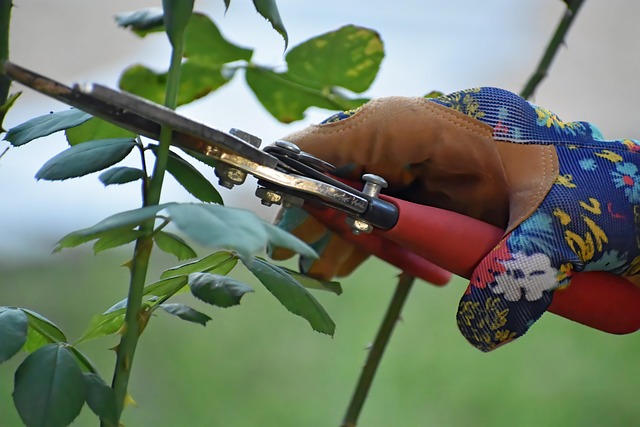
Winter pruning can feel uncertain, especially when plants are bare and growth has slowed to a pause. Many gardeners worry about making the wrong cut at the wrong time. The truth is, winter can be an excellent season for pruning when done thoughtfully, and knowing what to leave alone is just as important as knowing what to cut.
At Lakeview Nurseries, winter is a time for learning, observation, and setting landscapes up for long-term health.
Why Winter Pruning Works
During dormancy, trees and shrubs are not actively growing, which reduces stress caused by pruning. Without leaves, branch structure is easier to see, making it simpler to identify dead, damaged, or crossing branches. Winter pruning can improve airflow, strengthen structure, and help plants direct energy toward healthy growth once spring arrives.
In northern Massachusetts, winter pruning is especially useful after storms, when snow or ice may have caused damage that should be addressed for safety and plant health.
What You Can Prune in Winter
Certain plants benefit from winter pruning in colder climates like Lunenburg.
Deciduous trees and shrubs can be pruned to remove dead, broken, or diseased branches. This helps prevent future issues and encourages strong growth in spring. Many ornamental trees and non-flowering shrubs respond well to careful winter pruning.
Summer-blooming shrubs are also good candidates for winter pruning. Plants that bloom on new growth often benefit from being cut back during dormancy, which can lead to fuller growth and better flowering later in the season.
Removing hazardous or storm-damaged branches is always appropriate during winter, especially when safety is a concern.
What Should Be Left Alone Until Spring
Some plants should not be pruned during winter, and this is where many common mistakes occur.
Spring-flowering shrubs such as lilacs, forsythia, and azaleas set their flower buds the previous year. Pruning them in winter removes those buds, resulting in fewer blooms. These plants should be pruned shortly after they flower in spring.
Evergreens typically require very little pruning and are best left alone during winter unless there is clear damage. Heavy pruning during cold weather can cause stress and browning.
Newly planted trees and shrubs should also be pruned minimally during their first winter to allow them to establish strong root systems.
Simple Winter Pruning Tips
Use clean, sharp tools to make precise cuts and reduce the risk of disease. Avoid pruning during extremely cold temperatures, as frozen branches are more likely to crack. When unsure, take a conservative approach. It’s always easier to remove more later than to undo over-pruning.
Winter is also a good time to step back and assess overall plant shape and spacing without rushing.
Confidence Comes From Knowing When to Wait
Successful winter pruning is about balance. Knowing when to prune and when to leave plants untouched helps protect spring blooms and prevents unnecessary stress. A thoughtful approach now leads to healthier plants and a more rewarding growing season ahead.
Located at 308 Electric Avenue (Route 13) in Lunenburg, Massachusetts, Lakeview Nurseries is currently closed for the winter season and will reopen in spring. While the nursery rests, winter is an ideal time to learn, plan, and build confidence. The team looks forward to welcoming gardeners back with expert advice and support for every stage of landscape care.