blog, Plant Care
🐇 How to Rabbit-Proof Your Garden: Simple Tips for a Happier, Healthier Yard
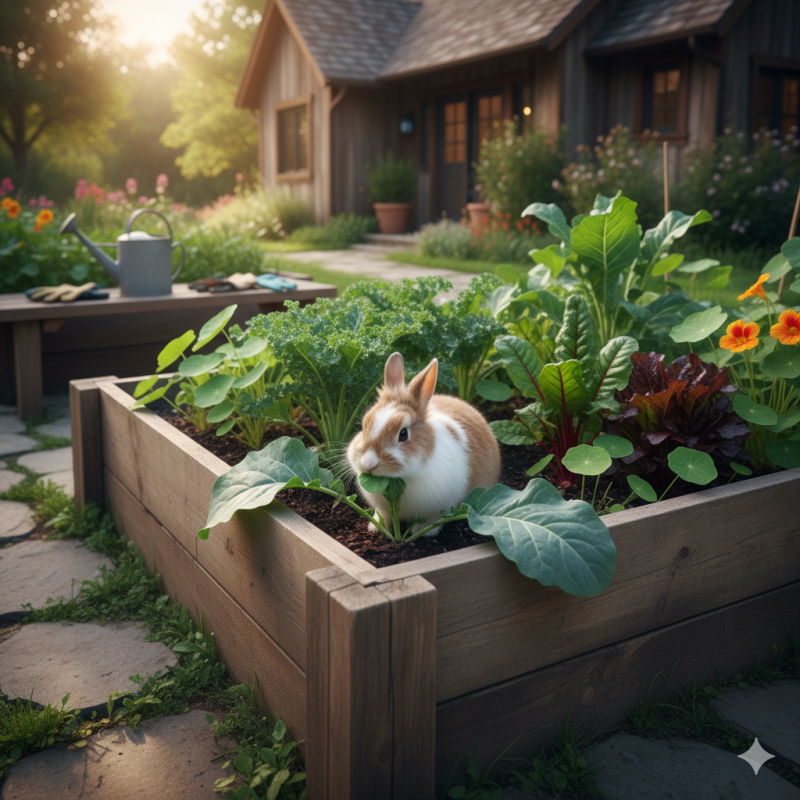
Rabbits may look sweet, but once they discover your garden, they can quickly mow down tender annuals, perennials, veggies, and young shrubs. The good news? With a little planning, you can enjoy a beautiful garden without turning it into a bunny buffet. Here’s how to protect your plants and keep your landscape thriving all season long.
1. Start with the Gold Standard: Proper Fencing
When it comes to rabbit control, physical barriers are the most reliable option.
-
Use ¼–½ inch galvanized hardware cloth—not chicken wire (rabbits can squeeze through).
-
Install fencing at least 2–3 feet tall.
-
Bury the bottom 6–10 inches to prevent digging.
-
Angle the bottom edge outward like an “L” for added protection.
Raised beds with built-in mesh are also a great choice for vegetable gardens.
2. Choose Rabbit-Resistant Plants
While no plant is 100% rabbit-proof, many are strong deterrents due to their texture, sap, or scent. Consider incorporating:
-
Lavender
-
Yarrow
-
Russian Sage
-
Echinacea (Coneflower)
-
Black-Eyed Susan
-
Catmint (Nepeta)
These plants not only add color and pollinator value—they also help make your garden less inviting to hungry rabbits.
3. Try Scent-Based Repellents
Rabbits rely heavily on their sense of smell. Repellents can help mask the scent of foliage and create an unpleasant environment.
Look for products containing:
-
Putrescent egg solids (a natural predator scent)
-
Garlic or capsaicin
-
Essential oils like peppermint or clove
Apply repellents every 7–14 days, and always after rain. Rotate products periodically so rabbits don’t adapt.
4. Use Smart Garden Design
A few strategic design choices can make your yard naturally less appealing:
-
Keep grass mowed low—rabbits prefer tall cover.
-
Clean up brush piles and dense groundcovers where rabbits hide.
-
Place your most vulnerable plants (like lettuce, pansies, and young perennials) closer to your house or inside protected beds.
Mulching with coarse bark or stone can also discourage digging.
5. Protect Individual Plants
For high-value or newly planted favorites, individual protection works wonders.
-
Wrap young shrubs with hardware cloth cylinders.
-
Use cloche covers for veggies and annuals.
-
Add trunk guards to fruit trees to prevent winter nibbling.
Final Tips
A rabbit-proof garden usually requires a mix of approaches—barriers, smart planting, and repellents. The goal isn’t to eliminate wildlife but to create a balance where your plants can grow freely without suffering major damage.
❓ FAQ
Do coffee grounds or human hair work as rabbit repellents?
These home remedies may offer brief deterrence, but they are not reliable long-term.
Can rabbits damage shrubs and trees in winter?
Yes! Winter browsing is common. Use trunk wraps or mesh cylinders for protection.
Are raised beds rabbit-proof?
Only if the sides are solid or lined with hardware cloth—otherwise rabbits can hop right in.