blog
5 Late-Fall Gardening Mistakes to Avoid Before Winter
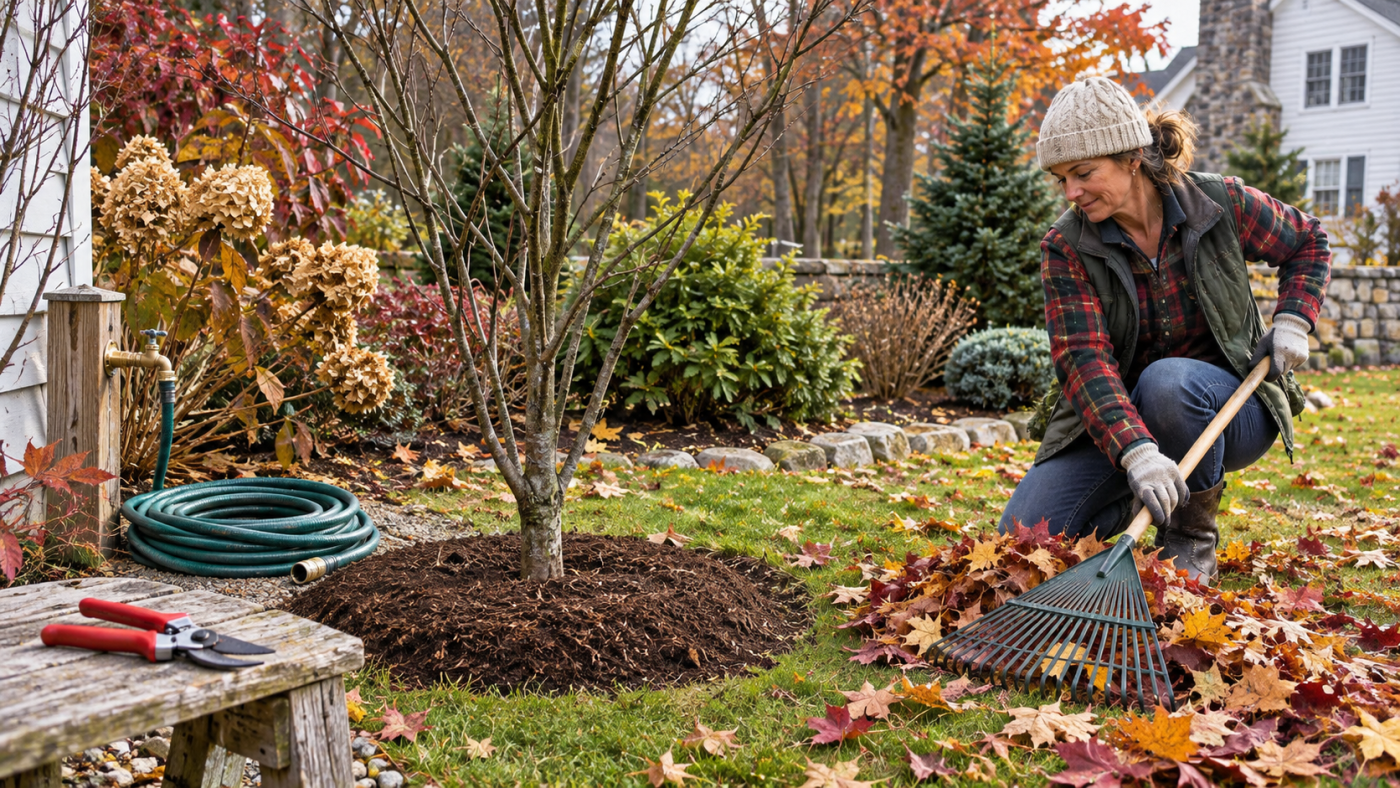
November may feel like the end of gardening season, but there are still a few important jobs to tackle before winter settles into Central Massachusetts. As temperatures drop and the first hard freezes arrive, the decisions you make now can have a lasting impact on your landscape next spring.
At Lakeview Nurseries in Lunenburg, MA, we know that a little preparation goes a long way. Before you put away your gardening gloves for the season, make sure you’re not making these five common late-fall gardening mistakes.
1. Pruning Trees and Shrubs Too Late
It’s tempting to give everything one final trim before winter, but late-season pruning isn’t always a good idea.
Pruning certain trees and shrubs in the fall can encourage tender new growth during mild weather, leaving it vulnerable to freezing temperatures. Even when new growth isn’t stimulated, unnecessary pruning can remove buds that would otherwise produce spring flowers.
What to do instead: Remove dead, damaged, or hazardous branches as needed, but save most major pruning for the appropriate season. Many deciduous trees and summer-flowering shrubs can be pruned in late winter, while spring-flowering shrubs are often best pruned shortly after blooming.
2. Forgetting to Water Before the Ground Freezes
One of the biggest gardening misconceptions is that plants no longer need water once the weather turns chilly.
Trees, shrubs, and especially evergreens still benefit from adequate soil moisture going into winter. Dry roots can leave plants more susceptible to winter stress, browning, and damage from freezing temperatures.
What to do instead: Check the soil around your trees and shrubs, especially those planted within the past few years. If conditions have been dry, water thoroughly during mild weather while the soil is still unfrozen.
Pay special attention to arborvitae, rhododendrons, hollies, and other evergreens that retain their foliage throughout winter.
3. Cutting Back Every Perennial
A perfectly tidy garden might look appealing in November, but cutting everything to the ground can do more harm than good.
Many perennial stems and seed heads provide important winter habitat for beneficial insects, while also offering food for birds and visual interest during the colder months.
Ornamental grasses, coneflowers, black-eyed Susans, and other sturdy perennials can add beautiful texture to an otherwise quiet winter landscape.
What to do instead: Leave healthy stems and seed heads standing wherever practical. Remove diseased foliage and plant debris that could harbor problems, but consider saving much of your perennial cleanup for spring.
Your garden doesn’t have to be spotless to be healthy!
4. Leaving Hoses and Watering Equipment Outside
This mistake is easy to overlook until the first deep freeze.
Water left inside hoses, spray nozzles, watering wands, or irrigation components can freeze and expand, potentially damaging equipment.
What to do instead:
- Disconnect garden hoses from outdoor faucets.
- Drain hoses completely before storing them.
- Empty watering cans and portable sprinklers.
- Winterize irrigation systems according to manufacturer recommendations.
- Protect outdoor plumbing where necessary.
A few minutes of preparation now can help prevent frustrating and expensive surprises in spring.
5. Forgetting to Protect Roots With Mulch
Winter weather in Massachusetts brings fluctuating temperatures, frozen ground, thawing periods, and sometimes limited snow cover.
These conditions can be especially challenging for newly planted trees, shrubs, and perennials.
A proper layer of mulch helps moderate soil temperature, conserve moisture, and reduce repeated freezing and thawing around plant roots.
What to do instead: Apply approximately 2 to 3 inches of suitable organic mulch around established trees and shrubs where needed. Keep mulch several inches away from trunks and woody stems to avoid trapping moisture against the bark.
For certain newly planted or marginally hardy perennials, additional winter protection may be helpful after the ground begins to freeze.
A Little Fall Preparation Makes Spring Easier
Preparing your garden for winter doesn’t require an endless weekend of yard work. Sometimes, the most helpful thing you can do is water a thirsty shrub, protect a newly planted tree, or simply leave a few perennial stems standing.
And remember, not every garden task needs to be completed before the first snowfall.
Frequently Asked Questions
Q: Is November too late to plant in Massachusetts?
Not necessarily. Some hardy deciduous trees and shrubs can still be planted while the soil is workable, although earlier fall planting gives roots more time to establish. Newly planted evergreens and tender plants may be better postponed until spring.
Q: Should I cut back all my perennials before winter?
No. Many healthy perennials can remain standing through winter, providing shelter for beneficial insects and food for birds. Remove diseased foliage as needed.
Q: Should I water my garden in November?
Yes, if conditions are dry and the soil isn’t frozen. Newly planted trees, shrubs, and evergreens deserve particular attention.
Q: Can I mulch after the first frost?
Yes. Mulching can still be beneficial after frost, especially when protecting the root zones of vulnerable plants. The ideal timing depends on the plant and the purpose of the mulch.
Q: When should I disconnect my garden hose?
Disconnect and drain hoses before freezing temperatures arrive, particularly before a hard freeze.
Get Your Garden Ready With Lakeview Nurseries
Not sure what needs attention before winter? Stop by Lakeview Nurseries in Lunenburg, Massachusetts, and let our Garden Geeks help you plan your final gardening projects of the season.
Whether you’re protecting evergreens, preparing garden beds, or thinking ahead to spring, we’re here to help you grow with confidence.
A little care today can make a big difference when spring returns!