blog
Confessions of a Lazy Gardener: Fall Cleanup with a Purpose
By Alec Mayer | Lakeview Nurseries
I’ve been calling myself the “Lazy Gardener” for years, and I’ve received a few raised eyebrows over it. After all, I work at a garden center, spend most of my days surrounded by plants, and somehow still find myself gardening when I get home. My philosophy is pretty simple: Why do more work than you need to? I’d rather spend my time doing the things that actually make a difference than tackling chores simply because that’s how they’ve always been done.
October is a perfect example. For generations, gardeners have been taught to put their flower gardens to bed for winter by cutting everything down, raking out every last leaf, and leaving the garden looking as neat as possible. I understand the appeal of a freshly cleaned garden, but over the years I’ve come to appreciate that what looks messy to us can be incredibly valuable to the wildlife living in our gardens. As we continue learning more about native pollinators and their habitat needs here at Lakeview, it’s becoming increasingly clear that some of those traditional fall chores deserve a second look.
Being a Lazy Gardener doesn’t mean ignoring the garden until the snow flies. It means knowing what needs attention now, what can wait, and what might be better left alone entirely. So here’s how I approach October cleanup, and why I don’t feel the least bit guilty about leaving some things unfinished.
Not Everything Needs a Haircut
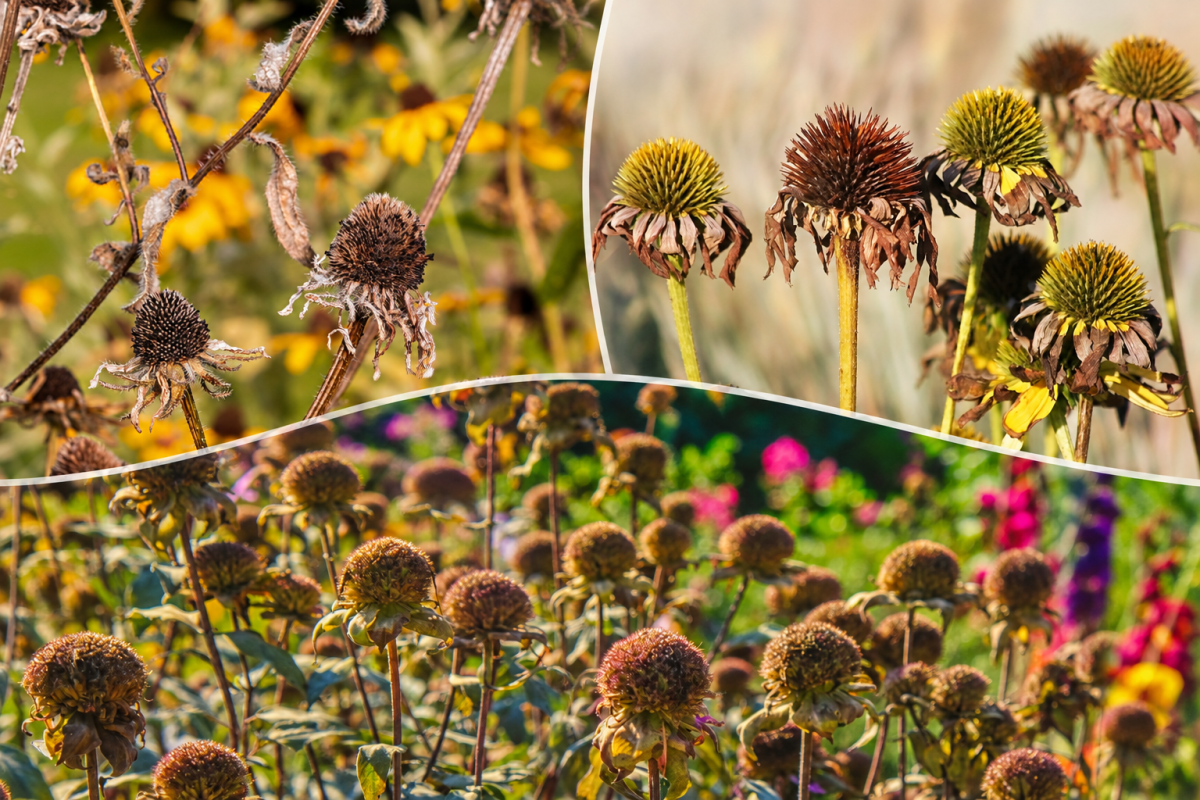
One of the first things I skip in October is the annual ritual of cutting every perennial down to the ground. Sure, some plants look pretty tired by now, but those dried stems and spent flowers still have plenty to offer. Coneflowers and black-eyed Susans, for example, produce seed heads that provide food for goldfinches and other birds. Bee balm and mountain mint have stems that can provide nesting opportunities for small native bees, while native grasses offer shelter and structure through the colder months.
Something I’ve found particularly interesting as we’ve expanded our pollinator education at Lakeview is how many native bees depend on plant stems for nesting. Some species use naturally hollow stems, while others carve tunnels in stems with soft, pithy centers. Leaving suitable stems standing through the colder months preserves potential nesting sites for the next generation of bees. It’s a reminder that a plant’s usefulness doesn’t end when its flowers fade.
Of course, I’m not suggesting that every dead stem deserves permanent residency in your garden. If a perennial has collapsed across a walkway or is creating a problem, I’ll cut it back. But if it’s standing upright, isn’t diseased, and might benefit wildlife, I’m inclined to leave it alone. That’s one less chore for me and one more opportunity for nature to do its thing.
Leaves Belong in the Garden
If there’s one fall chore I’d happily eliminate, it’s the obsession with removing every fallen leaf from our flower beds. Leaves are a natural part of the garden ecosystem, and they do considerably more than make extra work for homeowners. Beneath that layer of fallen foliage, butterflies, moths, fireflies, and other beneficial insects may be spending the winter in various stages of their life cycles. Some are tucked into the leaves themselves, while others rely on the insulation they provide to protect the soil below.
Now, there’s a difference between allowing leaves to settle naturally and letting a thick, wet mat smother your lawn or bury sensitive plants. I still clear leaves from walkways, drainage areas, and places where they’re likely to cause problems. But rather than bagging everything up and sending it away, I prefer to gently rake whole leaves into perennial beds, beneath shrubs, or around trees where they can provide shelter and gradually break down into organic matter.
I also try to avoid shredding leaves that I’m saving for wildlife habitat. While running over leaves with the mower can be useful for lawn maintenance, it can also harm the insects sheltering among them. When it comes to my flower beds, I’d rather leave the leaves whole whenever practical. It’s free mulch, valuable habitat, and a little less work. You can probably see why this approach appeals to me.
Some Chores Are Worth Doing
Before anyone gets the impression that my entire fall gardening strategy involves sitting on the porch watching the leaves fall, there are some things I absolutely make time for in October. The biggest is dealing with diseased plant material. If my peonies have been affected by botrytis or my garden phlox has suffered from significant powdery mildew, I’ll remove the affected foliage rather than leave it in the garden. Good sanitation can help reduce the amount of disease-causing material carried into another growing season, and that’s work worth doing.
Invasive plants are another priority. Allowing invasive species to spread isn’t doing our gardens or native ecosystems any favors, so I make an effort to remove them and manage their seeds before they become an even bigger problem. I’ll also clean up spent annuals as frost finishes them off, composting healthy material and keeping diseased plants out of my regular compost pile.
October is also a good time to look over newly planted perennials and anything that might need extra protection from our New England winters. I don’t rush to bury everything under mulch while the soil is still warm, though. For plants that benefit from winter protection, I generally wait until the ground begins to freeze before adding an insulating layer. The goal is to protect the plants from damaging temperature fluctuations, not encourage them to stay warm and actively growing.
The point is that I’m not avoiding necessary maintenance. I’m simply prioritizing the work that will actually benefit the garden.
A Little Less Work, a Lot More Purpose
The more I learn about pollinator stewardship, the more I appreciate how much of gardening comes down to understanding the relationships between plants, insects, birds, and the environment around them. We spend so much time thinking about what to plant and how to make our gardens beautiful that it’s easy to overlook what happens after the flowers fade. Yet those quieter months are an important part of the garden’s life cycle, too.
Here at Lakeview, we’re continuing to expand our knowledge of pollinator-friendly gardening and share what we’re learning with our customers. One of the biggest lessons is that supporting pollinators doesn’t always require buying more plants or taking on another big project. Sometimes it simply means changing the way we care for the gardens we already have.
So as you head outside with your pruners and rake this October, take a good look around before you start. Remove the diseased foliage, deal with the invasive plants, and take care of anything that genuinely needs attention. But don’t be afraid to leave those coneflower seed heads standing, let the leaves settle beneath your shrubs, or allow a few dried perennial stems to remain part of the landscape.
I’ve always believed that gardening should be enjoyable, not an endless competition to see who can work the hardest. If I can save myself a little effort while creating a healthier garden and better habitat for wildlife, that’s a pretty good outcome in my book.
Some work now. Some saved for later. All done with intent.
That’s the Lazy Gardener philosophy, and October might just be my favorite time to practice it.
Happy Gardening!
Alec Mayer
The Garden Geeks at Lakeview