blog
Creating a Pollinator-Friendly Garden: Start Planning Now
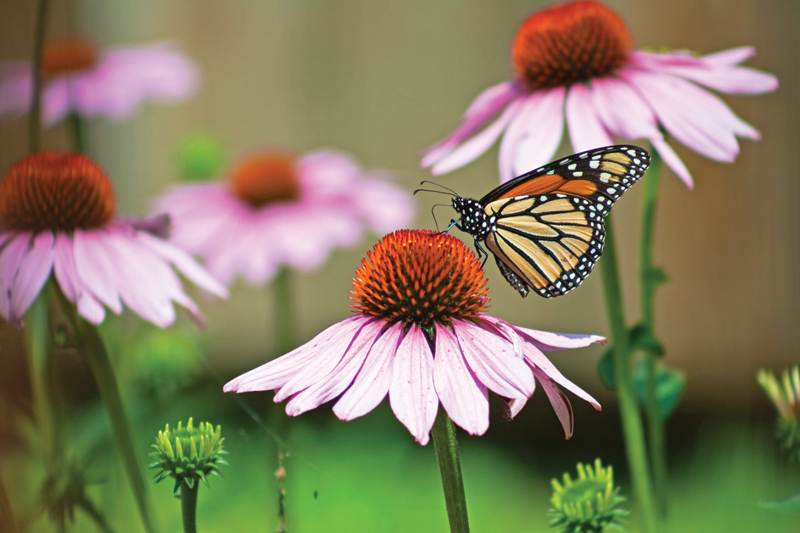
Winter may seem like a quiet time in the garden, but it’s actually one of the best seasons to plan for pollinators. Bees, butterflies, birds, and other beneficial insects depend on thoughtful plant choices, and designing a pollinator-friendly garden starts long before spring planting begins. Planning now allows you to create a landscape that supports local ecosystems while adding beauty and life to your garden.
At Lakeview Nurseries, winter is the perfect time to think about gardens that are both sustainable and rewarding.
Why Pollinator Gardens Matter
Pollinators play a critical role in the health of gardens and landscapes. They help plants reproduce, support food systems, and contribute to biodiversity. In Massachusetts, pollinator populations face challenges from habitat loss and limited food sources, making home gardens more important than ever.
By planning a pollinator-friendly garden, you’re creating a space that gives back while also enjoying more vibrant blooms and increased garden activity.
Start With Native Plants
Native plants are the foundation of successful pollinator gardens. Because they evolved alongside local insects and wildlife, they provide the right food and shelter at the right times. Native perennials and shrubs are also well adapted to New England’s climate, making them more resilient and lower maintenance once established.
Incorporating native plants into garden beds, borders, and naturalized areas helps ensure pollinators have consistent resources throughout the growing season.
Plan for Early-Season Blooms
One of the most overlooked aspects of pollinator gardening is early spring bloom time. Pollinators emerging from winter dormancy need food as soon as temperatures warm. Planning for early-blooming perennials and shrubs ensures nectar and pollen are available when they’re needed most.
Mapping bloom times during winter helps create a garden that supports pollinators from early spring through fall.
Use Perennials for Long-Term Impact
Perennials are especially valuable in pollinator gardens because they return year after year, providing reliable food sources without the need for replanting. Mixing perennials with different bloom times, colors, and heights creates visual interest while offering continuous support for pollinators.
Winter planning allows you to layer plants thoughtfully and avoid gaps in bloom coverage.
Sustainable Choices Add Up
Pollinator-friendly gardens naturally align with sustainable gardening practices. Reducing chemical use, improving soil health, and choosing plants suited to local conditions all contribute to a healthier landscape. Even small gardens or partial plantings can make a meaningful difference when designed with intention.
Planning Now Makes Spring Easier
Taking time during winter to sketch layouts, research plants, and set priorities makes spring planting smoother and more enjoyable. When the season arrives, you’ll be ready to plant with confidence, knowing your garden supports both beauty and purpose.
Located at 308 Electric Avenue (Route 13) in Lunenburg, Massachusetts, Lakeview Nurseries is currently closed for the winter season and will reopen in spring. While the nursery rests, winter is an ideal time to learn, plan, and imagine gardens that support pollinators and the local environment. The team looks forward to welcoming gardeners back with expert guidance and plants chosen to thrive in our region.