blog
How Soil Health Impacts Your Garden (And How to Improve It)
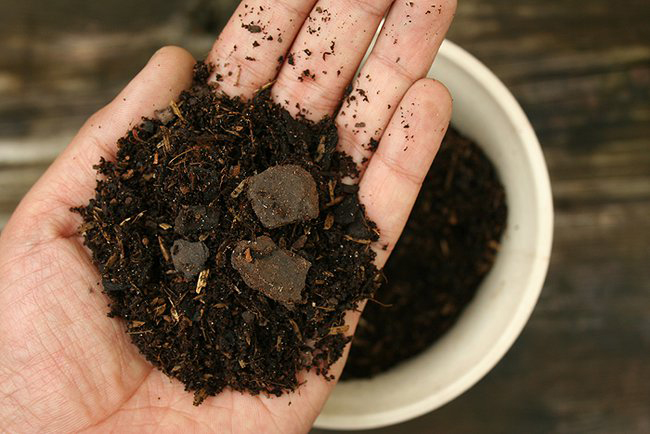
Healthy gardens start from the ground up. While plants often get the attention, soil health is the true foundation of long-term success. Winter is an ideal time to learn more about what’s happening below the surface and plan improvements that will make a noticeable difference once spring arrives.
At Lakeview Nurseries, winter is a season for understanding soil as a living system and preparing it to support stronger, healthier plants.
Why Soil Health Matters
Soil does far more than hold plants in place. Healthy soil supports root development, improves moisture retention, and delivers nutrients in a way plants can actually use. It also fosters beneficial microorganisms that help protect plants from stress, disease, and nutrient deficiencies.
In northern Massachusetts, freeze-thaw cycles, heavy rain, and compacted soils can take a toll over time, making soil health especially important.
Common Signs of Poor Soil
Gardens often show clear signs when soil needs attention. Slow growth, weak stems, pale leaves, poor flowering, and compacted soil that repels water are all indicators. If plants struggle despite proper sunlight and watering, soil quality is often the missing piece.
Winter is a good time to reflect on these patterns without the pressure of active growing.
Improving Soil With Compost
Adding compost is one of the most effective ways to improve soil health. Compost enhances soil structure, increases nutrient availability, and helps regulate moisture. Over time, it also feeds beneficial organisms that improve soil naturally.
Quality compost and soil blends, such as those from Jolly Gardener, are especially helpful for building healthier garden beds, improving drainage, and preparing soil for spring planting.
Organic Fertilizers for Long-Term Results
Organic fertilizers nourish soil as well as plants. Instead of delivering nutrients all at once, they release them gradually, supporting steady growth and reducing nutrient runoff.
Trusted organic fertilizer lines like Espoma are designed to work with natural soil processes, improving plant health while strengthening soil over time. These products are especially useful when building fertility into garden beds before planting.
Soil Amendments and Lawn Health
Different soils have different needs. Amendments such as peat alternatives, mineral additives, and specialty blends can help address issues like compaction, poor drainage, or nutrient imbalance.
For lawns and turf areas, soil improvement is just as important as it is for garden beds. Products from Jonathan Green focus on building healthier soil to support stronger roots, thicker growth, and better resilience throughout the season.
Supporting Native and Pollinator Gardens
Healthy soil is especially important when planting native species and pollinator-friendly plants. Native plant collections, including those from American Beauties, perform best when soil supports strong root development and microbial activity. Improving soil health helps these plants establish more quickly and thrive with fewer inputs.
Winter Is the Time to Prepare
Improving soil doesn’t have to be complicated, but it does benefit from planning. Winter offers time to assess garden areas, identify challenges, and choose the right compost, fertilizers, and amendments so spring work is efficient and effective.
Located at 308 Electric Avenue (Route 13) in Lunenburg, Massachusetts, Lakeview Nurseries is currently closed for the winter season and will reopen in spring. While the nursery rests, winter is the perfect time to focus on learning and preparation. The team looks forward to welcoming gardeners back with trusted products and expert guidance to support healthy soil and thriving gardens.