blog
Designing a Garden That Pollinators Will Love This Spring
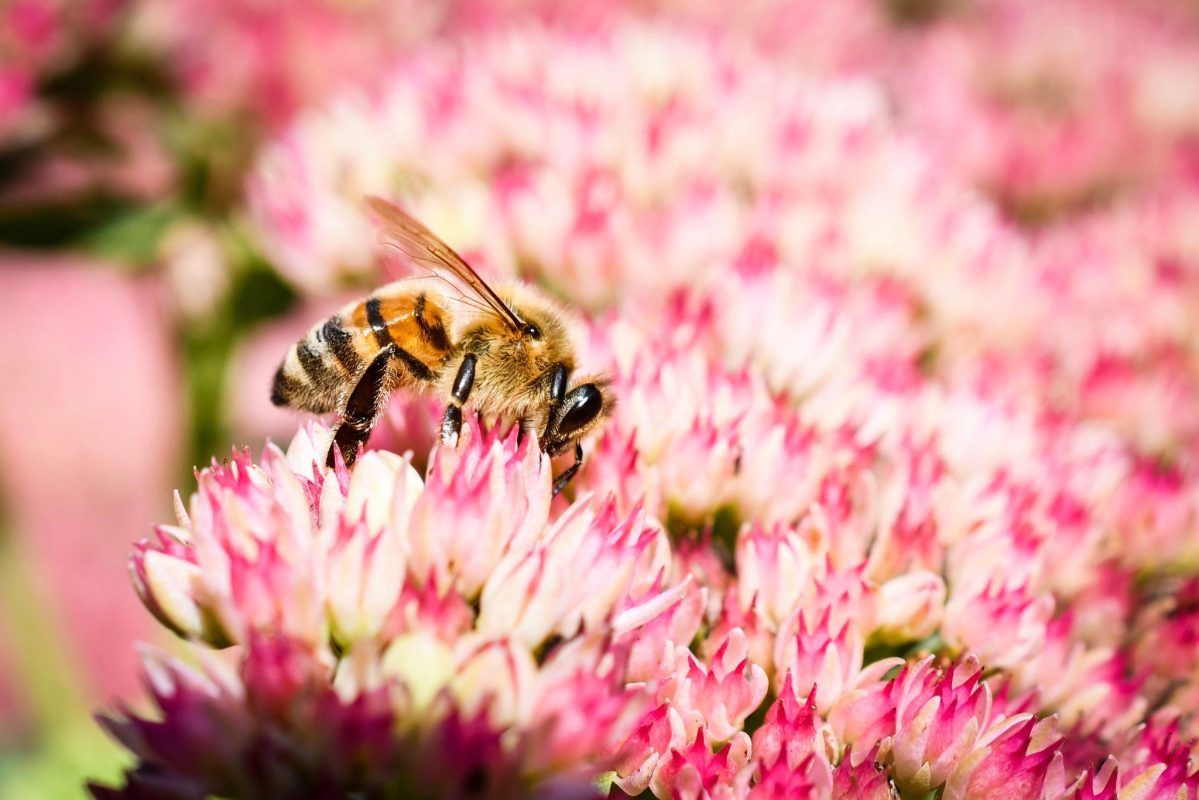
A thriving garden is not just about what looks good. It is also about what supports life. Pollinator friendly gardens are healthier, more resilient, and full of movement and color from early spring through fall. Winter is the perfect time to plan one. While Lakeview Nurseries is closed for the season, now is the ideal moment to design a garden that supports bees, butterflies, birds, and beneficial insects when they need it most.
Good planning now creates lasting impact later.
Why Pollinator Gardens Matter
Pollinators play a vital role in plant reproduction and overall ecosystem health. Without them, many flowers, fruits, and vegetables struggle to thrive. Creating a pollinator friendly garden helps support these essential species while also improving the health and beauty of your landscape.
Pollinator gardens benefit everything around them.
Start With Native Plants
Native plants form the foundation of a successful pollinator garden. They evolved alongside local pollinators and provide the nectar, pollen, and shelter these species rely on. Native plants bloom at the right times and offer the nutrition pollinators recognize and need.
They also require less water and fewer chemical inputs once established.
Use Perennials for Long Term Support
Perennials return year after year, offering reliable food sources for pollinators. Planning a mix of perennials with overlapping bloom times ensures that pollinators have access to food throughout the growing season.
A well planned perennial garden provides consistency and stability.
Do Not Forget Early Season Blooms
Early spring flowers are critical. Pollinators emerge hungry after winter when few plants are in bloom. Including early season bloomers in your plan helps support pollinators right from the start.
Early blooms set the tone for a productive season.
Design With Sustainability in Mind
Pollinator friendly gardens naturally align with sustainable gardening practices. Native plants and perennials typically need less water, less fertilizer, and fewer pesticides. This reduces environmental impact while creating a garden that is easier to maintain.
Sustainability and beauty can go hand in hand.
Plan Now for a Stronger Spring
Winter planning gives you time to consider sun exposure, soil conditions, bloom timing, and layout. This leads to healthier plants and better results once planting season begins. Planning ahead also improves plant availability and selection.
Preparation turns intention into success.
Frequently Asked Questions
Do pollinator gardens look wild or messy
No. With thoughtful design and spacing, pollinator gardens can look polished and intentional.
Are native plants required for pollinators
Native plants are not required, but they are the most beneficial and reliable option.
Can small gardens support pollinators
Yes. Even small gardens, borders, and containers can provide valuable food and shelter.
Do pollinator gardens require more maintenance
No. Once established, they often require less maintenance than traditional gardens.
A Garden That Gives Back
Planning a pollinator friendly garden is one of the most rewarding ways to garden. It supports local ecosystems, promotes sustainability, and creates a landscape that feels alive and purposeful.
We look forward to welcoming you back to Lakeview Nurseries when the growing season returns.
Lakeview Nurseries
308 Electric Avenue, Route 13
Lunenburg, MA 01462
Phone: (978) 342-3770
Closed for the season
A pollinator friendly garden is not just something you grow. It is something you contribute.