blog
Ease Plants into the Outdoors
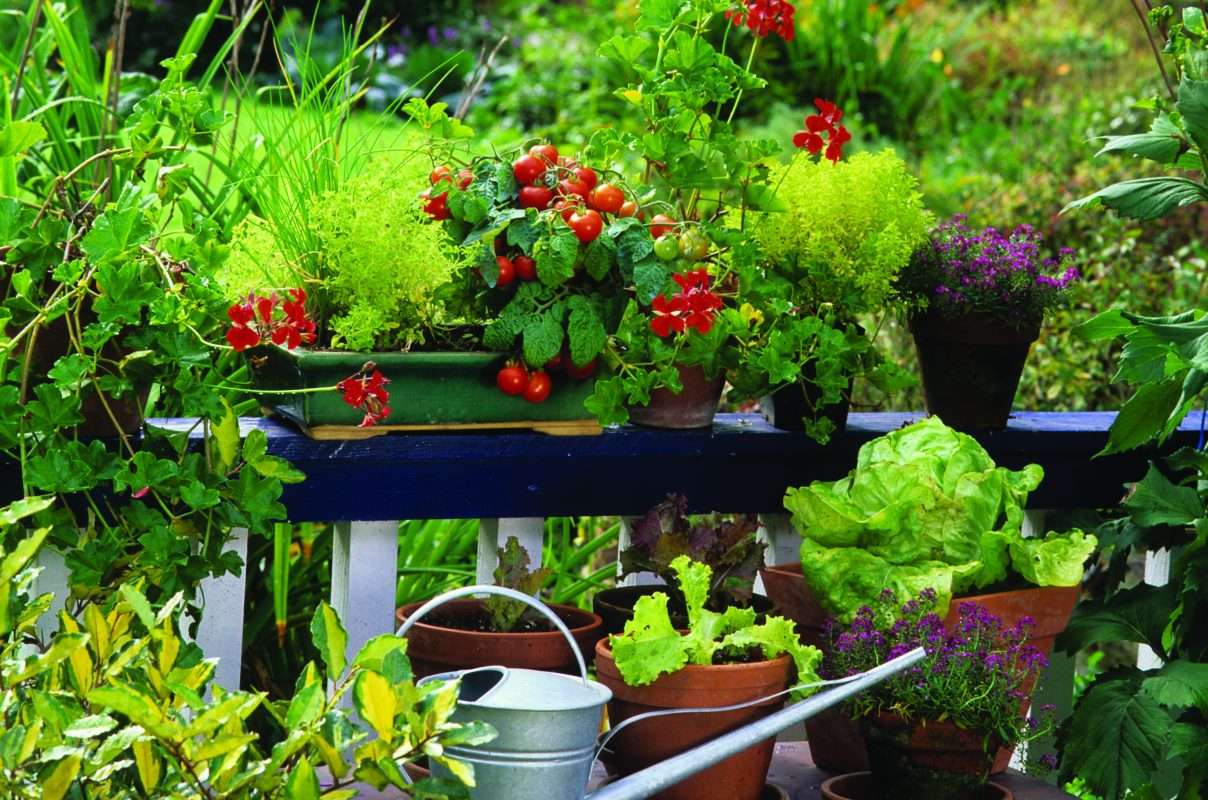
There’s a special kind of excitement that comes with the first warm days of May. Carts are rolling out, color is everywhere, and planting season finally feels real.
At Lakeview, we do a lot of the hard work for you. As spring arrives, we gradually harden our plants off before they ever reach the sales yard. They’re exposed to brighter light, cooler temperatures, and real outdoor conditions so they’re ready to succeed once you get them home.
If you started your own plants at home this season, you’re going to have to do that hardening off work yourself, and it’s an important step that sets the tone for the entire growing season.
How to Harden Plants Off at Home
Plants grown indoors have lived a very comfortable life. Steady temperatures, gentle light, and no wind at all. Even strong looking plants need a transition period before heading outside for good.
Scout out the best hardening off spot
Choose a location that is easy and quick to access. If it takes effort to movet plants in and out as the temperatures fluctuate. Good hardening off areas include:
- A porch or deck
- The East side of the house with morning sun
- Under a tree with filtered light
- Near a fence or wall that blocks the wind
The best spots offer shelter from strong wind and harsh afternoon sun. Morning sun with some protection later in the day gives plants time to adjust without stress. A good location makes it easier to move plants daily, because let’s be honest, that’s New England weather for you!
Let the weather work with you
- Cloudy or overcast days are ideal for starting
- Calm, mild stretches of weather make transitions easier
Softer light reduces the risk of sun scorch and helps plants acclimate more comfortably. If you see a few cloudy days in the forecast, that’s often the perfect window to begin. Bright, hot, or windy days can overwhelm plants that are just starting the process.
Start by placing plants outside for a few hours, then bring them back in or move them to a protected area. Each day, gradually increase the time outdoors and the amount of direct sun they receive. If conditions suddenly turn cold, windy, or overly bright, pause the process. There’s no downside to slowing down, and plants don’t lose progress by waiting.
If overnight temperatures dip unexpectedly, a lightweight frost cloth can be a helpful buffer. It allows air and light through while offering gentle protection, letting plants stay put instead of being rushed back inside.
Why This Step Matters
Hardening off gives plants time to adjust to real outdoor conditions before they’re asked to perform.
It helps plants:
- Develop stronger leaf tissue that can handle direct sun
- Build sturdier stems that stand up to wind and weather
- Increase overall resistance to stress
Without this transition, plants can struggle in very visible ways. Common examples include:
- Tomatoes and peppers wilting or developing white, scorched patches on their leaves after one bright afternoon
- Basil and other tender herbs turning yellow or blackening after cool nights
- Annuals like petunias, calibrachoa, and impatiens stalling out or dropping buds
- Vegetable seedlings appearing healthy but sitting still while they recover
This gradual transition also reduces common early-season issues like:
- Wilting after planting
- Sun scorch on tender leaves
- Slowed or stalled growth
Plants that are properly hardened off settle in faster once planted. They root more quickly, adapt better to changing conditions, and grow with confidence instead of hesitation.
Whether plants come from your own windowsill or from our greenhouse, this simple step sets the tone for the entire season. A little patience now leads to healthier plants and better performance all summer long.
Garden Geek Tip
If you’re short on time, group your plants by sun needs when hardening off. Put all the sun lovers together and the shade lovers together. One quick move in and out, and everyone gets the right exposure without guesswork.