blog
Feeding Shrubs & Perennials in Massachusetts
A Garden Geek’s Guide to Espoma (Without Overdoing It)
Spring usually arrives here with a lot of enthusiasm… and very little commitment. One warm stretch and suddenly everyone wants to fertilize everything. But when it comes to shrubs and perennials, timing and product choice matter more than enthusiasm.
The good news? Organic fertilizers make this process forgiving, effective, and very plant-friendly, especially when you’re working with Espoma.
First Things First: When to Fertilize
In Massachusetts, the sweet spot for feeding shrubs and perennials is early to mid-spring, once:
- The ground has thawed
- Plants are showing signs of life (buds swelling, fresh shoots emerging)
- Soil temperatures are warming consistently (forsythia are budded)
You’re feeding roots, not forcing top growth. Organic fertilizers release nutrients slowly, syncing with soil biology instead of racing ahead of it.
Meet the Espoma Trio (Who Gets What & Why)
🌿 Espoma Plant-tone
Best for:
- Most shrubs
- Perennials
- Ornamental trees
- Native plants
Use on:
- Hydrangeas (all types)
- Hostas, daylilies, coneflowers, black-eyed Susans
- Boxwood, lilac, viburnum, spirea
- Ornamental grasses
Why it works:
Plant-tone is the steady, reliable multitasker. It supports balanced growth, strong roots, and overall plant health without pushing excessive foliage.
Plant Geek Tip: If you’re unsure what a plant needs, Plant-tone is almost always the right first choice. It’s hard to mess this one up, and that’s a compliment.
🌸 Espoma Flower-tone
Best for:
- Flowering perennials
- Flowering shrubs
Use on:
- Roses
- Peonies
- Phlox, delphinium, bee balm
- Clematis
Why it works:
Flower-tone is formulated to support bud development and bloom production, while still feeding roots and soil life.
Plant Geek Tip:
Apply Flower-tone just as plants are actively growing, not when they’re dormant. More flowers come from healthy roots first, not fertilizer panic.
🌲 Espoma Holly-tone
Best for:
- Acid-loving shrubs and trees
Use on:
- Rhododendrons
- Azaleas
- Blueberries
- Hollies
- Mountain laurel
- Pieris
- Evergreens like spruce and pine
Why it works:
Holly-tone gently acidifies soil over time while delivering nutrients these plants need to thrive in Massachusetts’ often slightly acidic soils.
Plant Geek Tip:
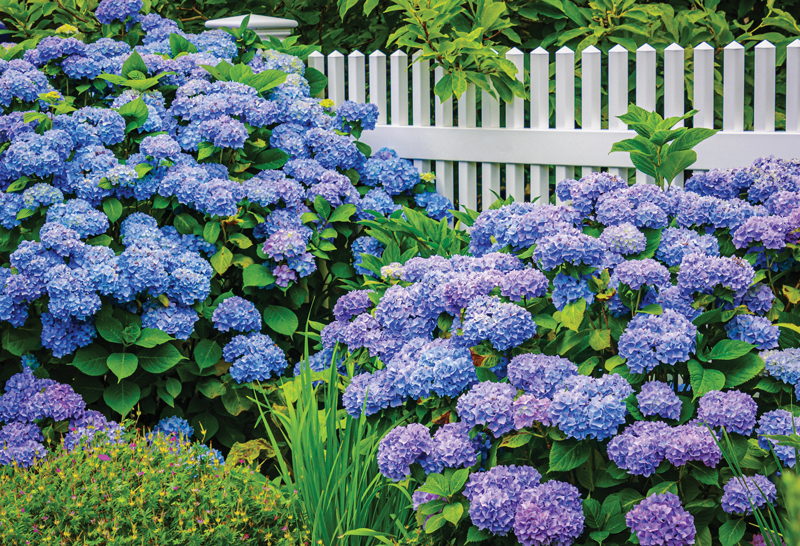
Blue hydrangea color is influenced by soil pH, but fertilizer alone won’t change color overnight. The good news is that Espoma also makes a Soil Acidifier that will work it’s magic to keep your hydrangea’s blue!
How to Apply (Without Stressing Your Plants or Yourself)
- Apply to moist soil
- Spread evenly around the drip line, not directly against stems or trunks
- Lightly scratch into the soil surface if possible
- Water in if rain isn’t in the forecast
Organic fertilizers don’t burn plants, so precision matters less than consistency.
Common Mistakes to Avoid
- ❌ Fertilizing frozen or waterlogged soil
- ❌ Overfeeding newly planted shrubs (they’re still settling in)
- ❌ Assuming more fertilizer = faster growth
- ❌ Forgetting that mulch + fertilizer = better results
The Big Picture: Feed the Soil, Not Just the Plant
Healthy plants start underground. Espoma’s organic formulas work with soil microbes, improving structure and nutrient availability over time, which matters a lot in New England’s unpredictable spring conditions.
April and May aren’t about pushing plants to perform. They’re about setting the stage so summer growth feels effortless instead of frantic.
And that’s a garden geek philosophy we fully stand behind.