blog
Lawns in April: Fix the Foundation Before You Feed
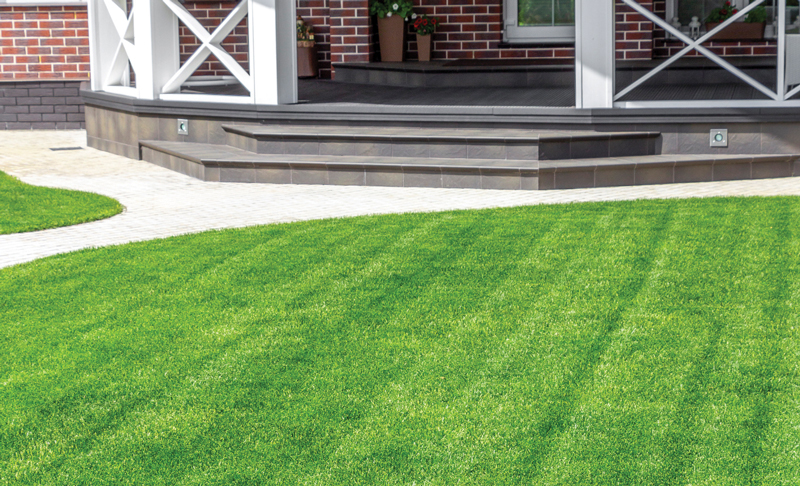
April is when Massachusetts lawns start to wake up for real. Color improves, blades begin to grow, and suddenly it feels like something is finally happening out there. That doesn’t mean your lawn is ready for everything at once, but it is ready for smart support.
Early spring lawn care is less about pushing top growth and more about correcting what winter left behind. Compaction, salt stress, poor drainage, and pH imbalance all affect how well your lawn can grow this season. This is where lime and gypsum come in, not as quick fixes, but as foundational tools.
Why Lime Matters in Massachusetts Lawns
New England soils tend to drift acidic over time thanks to rainfall, organic matter breakdown, and winter weather. When soil pH drops too low, grass struggles to absorb nutrients, even if you’re fertilizing correctly.
Using a quality lime helps:
- Balance soil pH
- Improve nutrient availability
- Encourage stronger root development
- Support thicker, healthier turf
This is why we often recommend Jonathan Green MagiCal in early spring. It’s fast-acting, easy to apply, and works gradually without shocking the lawn.
Plant Geek Tip:
If fertilizer hasn’t seemed to “work” in past years, pH is often the missing piece. Lime helps your lawn actually use what you’re feeding it.
Where Gypsum Fits In (And Why It’s Not the Same as Lime)
Gypsum is one of the most misunderstood lawn products, and one of the most useful in spring.
Jonathan Green Love Your Lawn Gypsum does not change soil pH. Instead, it improves soil structure and helps repair damage from winter stress.
Gypsum is especially helpful for:
- Lawns affected by road salt or ice melt
- Compacted or heavy soils
- Poor drainage areas
- Lawns near driveways, sidewalks, and walkways
It works by helping excess salts move out of the root zone and loosening tight soils so water, air, and nutrients can reach grass roots more effectively.
Plant Geek Tip:
Gypsum is a favorite for early spring because it supports root recovery without triggering excessive top growth, perfect timing for April.
Lime, Gypsum… or Both?
In many Massachusetts lawns, the answer really is both—just for different reasons.
- Use lime if soil is acidic or growth has been weak despite fertilizing
- Use gypsum if soil is compacted, salty, or slow to drain
- Use both when winter stress and long term soil imbalance are working against your lawn
That’s exactly where Jonathan Green Mag-i-cal Plus comes in.
Mag-i-cal Plus combines the pH-balancing benefits of lime with the soil-conditioning power of gypsum in one easy application. It helps neutralize acidic soil and improve soil structure at the same time, making it a great spring choice for lawns that need a reset after winter.
Plant Geek Tip:
Mag-i-cal Plus is ideal for early spring because it works quickly without forcing growth. You’re fixing the soil first, so when you fertilize later, your lawn can actually take advantage of it.
These soil-building products prepare the lawn so that late spring feeding delivers better color, stronger roots, and more consistent growth, without overworking your grass too early in the season.
The Big Takeaway: Don’t Rush the Green
April lawn care isn’t about forcing growth. It’s about setting things right underground so the lawn can grow steadily, naturally, and with fewer problems later in the season.
Correct the soil first.
Support the roots.
Then let the grass do what it’s meant to do.
That’s not flashy lawn care, but it’s the kind that works.