blog
March in the Garden: When Movement Returns
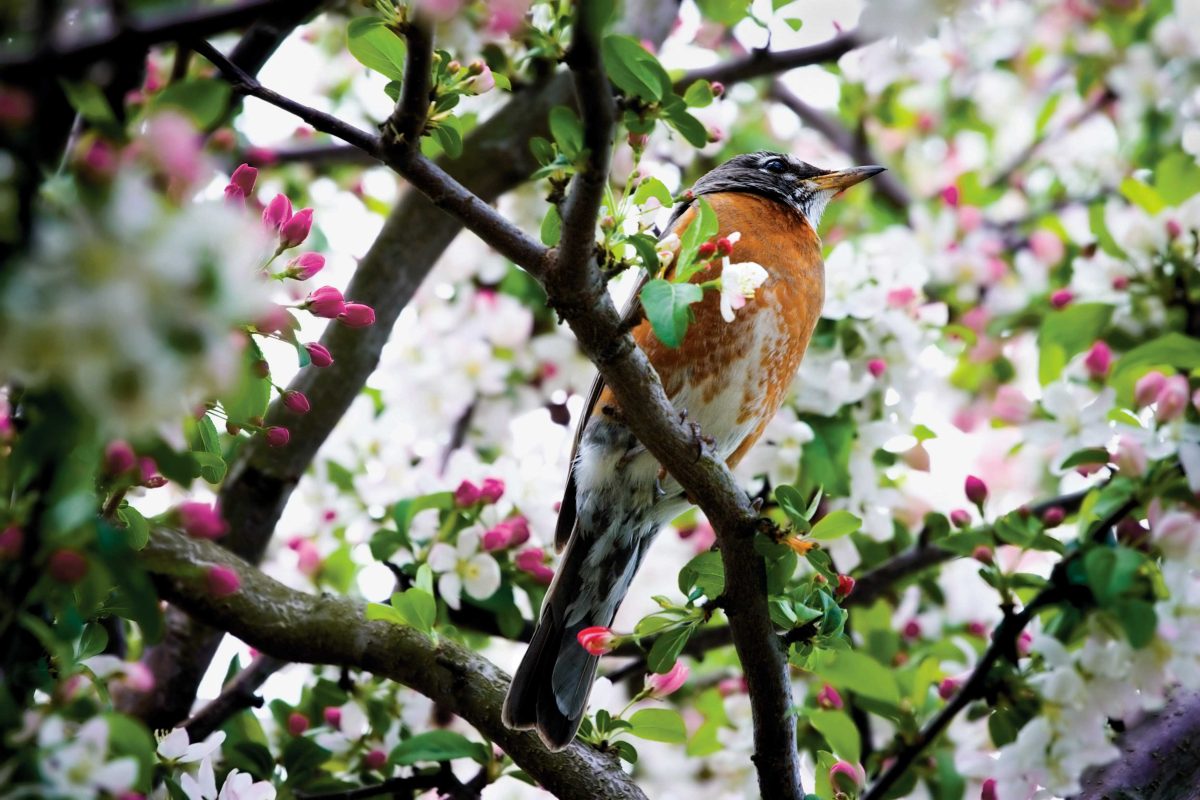
March has long been described as coming in like a lion and going out like a lamb. In recent years, it’s often felt like the opposite, opening quietly, then turning sharper as the month goes on. The saying may have flipped, but the season itself hasn’t changed its expectations.
Even as weather patterns shift, the landscape continues to move forward in familiar ways. Soil thaws gradually, water begins to circulate again, and long-paused systems restart below the surface. The order may feel different than it once did, but the progression remains steady and reliable.
What changes in March is our role. March gardening is about learning to work with the season, not ahead of it, staying flexible, reading the landscape carefully, and letting the season reveal what comes next.
Reading the Landscape: What Winter Left Behind
As seasonal change begins, the garden still holds winter’s clarity. It’s easier to see where water pools, where it runs off, and how the landscape responds to thaw and early rain. These patterns are often subtle, but they’re most visible now, before spring growth softens the view.
Signs to notice:
- Standing water or areas that stay wet longer than the rest of the garden
- Clear paths where water moves across the surface, especially on slopes or along bed edges
- Spots where soil settled, shifted, or washed over winter
What those signs can reveal:
- Compaction or poor soil structure
- Low spots or grading issues that affect drainage
Once these patterns are visible, decisions become clearer. Some areas are worth improving, loosening soil, adding organic matter, or adjusting drainage. Others may simply be better suited to different plant choices. March is the month for identifying those distinctions, not fixing everything at once.
What Makes Sense to Do Now
March isn’t about getting ahead, it’s about doing the work that fits the moment. Conditions shift quickly, soil is still waking up, and restraint matters just as much as effort.
This is a good time for:
- Stone fruit pruning
Prune peaches, plums, cherries, and apricots while trees are still dormant, focusing on structure, airflow, and removing damaged or crossing branches. - Corrective pruning elsewhere
Remove broken, damaged, or clearly dead wood on trees and shrubs. Leave shaping and major pruning decisions for later. - Mulch planning
Use what you’ve observed about soil condition, plant needs, and exposure to decide where mulch will be most effective or needs refreshing. Some areas benefit immediately; others are better addressed later. - Protecting soil
Avoid working wet ground and limit foot traffic until soils firm up to prevent compaction.
Each task this month should support what comes next without forcing the season forward.