blog
When to Cut Branches: Planning Ahead
Forcing branches is really an exercise in timing and patience and, if we’re being honest, resisting the urge to cut everything at once. The first step is deciding when you’d like branches to bloom, then counting backward based on how long each plant typically takes to respond indoors.
By late January, most spring-flowering shrubs have already had enough cold outdoors to satisfy their dormancy. From there, it’s simply a matter of matching the branch to the moment you want it to appear. Think of it as gardening with a calendar and a little faith.
Preparing and Caring for Branches Indoors
Forcing branches doesn’t require much effort, but a little preparation helps ensure success. Choose healthy branches with plenty of buds and no obvious damage. Stems are typically cut twelve to twenty-four inches long, depending on the plant and how they’ll be arranged.
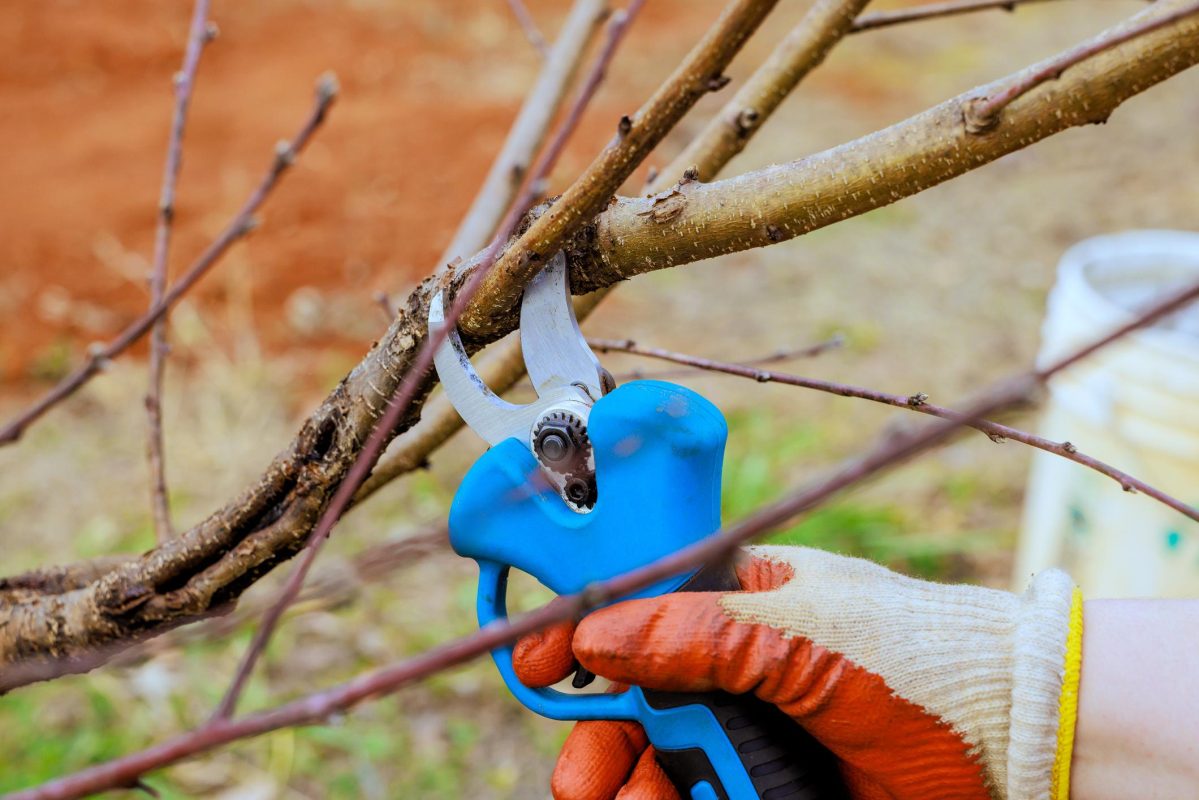
Make clean cuts with sharp pruners at a slight angle to improve water uptake. Before arranging, branches can be placed in a bucket of cool water for a few hours to hydrate. Some gardeners lightly split the bottom inch of woody stems, it’s optional, but worth trying if branches seem slow to drink once indoors.
Branches do best when they start out in a cool room, away from direct sunlight. Fresh water every few days, an occasional recut, and patience are usually all that’s needed. If you forget about them for a day or two, don’t panic. Branches are surprisingly forgiving, and most of them want to bloom just as badly as we want them to.
Other Branches Worth Trying
Once you’ve had success with forsythia and pussy willow, there are plenty of other branches worth experimenting with:
- Flowering quince blooms two to three weeks after cutting, producing bold flowers along sculptural stems.
- Redbud offers a quieter display, with rosy buds opening gradually along bare branches.
- Serviceberry produces delicate white flowers and works beautifully in simple arrangements.
- Magnolia requires the most patience—often three to four weeks—but even unopened buds add strong structure indoors. Magnolia, in particular, is a lesson in patience. If you’re not in the mood for that kind of relationship right now, start with forsythia.
Not every branch needs to flower. Red-twig dogwood, birch, and curly willow provide immediate color, movement, and form, and pair beautifully with forced blooms.
What Not to Cut Yet (Ask Me How I Know)
Not every branch is ready for its close-up in February. Some plants need more winter chill or simply aren’t wired to cooperate indoors, no matter how convincing you think your vase setup is.
- Lilac is the classic heartbreaker. It can be forced, but it usually needs more cold than February has delivered. Cut it too early and you’ll get a whole lot of sticks and optimism, and not much else.
- Hydrangea should stay right where it is. Most types bloom on old wood, and cutting now means you’re borrowing directly from summer’s flower budget.
- Rhododendron and azalea buds look tempting, but they’re slow to respond indoors and tend to sulk rather than perform.
- Fruit trees are best left outside for now. Apples, pears, and cherries need more time before they’re ready to wake up gracefully.
If you’re ever unsure, my rule of thumb is this: if it feels like you’re sneaking out with the branch and hoping no one notices, it’s probably too early. Stick with plants that want to bloom now, and everyone, especially your future garden, will be much happier.
Letting the Season Unfold Indoors
Forcing branches doesn’t need to be a one time event. When shrubs are growing well, there’s no reason to take everything at once. Cutting a few branches at a time allows the display indoors to change gradually, extending interest and keeping things feeling fresh.