blog
Grub Season Is Coming. Here’s What To Do.
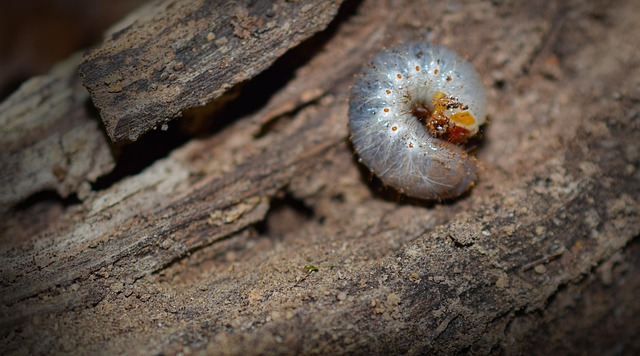
If your lawn suddenly looks like someone hosted an underground raccoon rave overnight, grubs may be part of the story. Here in Massachusetts, June is one of the most important months for grub prevention, but understanding the grub life cycle helps explain why timing matters so much. Grubs are the larvae of beetles like Japanese beetles and June bugs. They hatch later in summer and spend most of their lives underground feeding on grass roots before overwintering deep in the soil. By spring, many of the larger grubs are already slowing down and preparing to pupate into adult beetles. In other words, much of the actual root damage from spring grubs has already happened by the time homeowners notice a problem.
What often causes the biggest spring headaches is not necessarily the grubs themselves, but the animals hunting them. Skunks, raccoons, moles, voles, and even crows can tear apart lawns and garden beds searching for a protein-packed meal. While lawns usually get the most attention, we also see animals ripping apart the root systems of hostas, daylilies, roses, heuchera, and other perennials while digging for grubs and soil insects. Sometimes homeowners think plants “mysteriously died” over winter, only to discover the roots were shredded by nighttime grub hunters turning the garden into an all-you-can-eat buffet.
June is the ideal time to shift into prevention mode before the next generation of grubs hatches and begins feeding aggressively later in summer. At Lakeview, two of the most common grub control products we discuss are Jonathan Green Natural Grub & Lawn Insect Control and Dylox, but they work very differently. Jonathan Green Natural Grub & Lawn Insect Control uses a proprietary blend of plant oils including rosemary oil, peppermint oil, and geraniol to repel and control grubs and surface-feeding insects naturally. It is free of neonicotinoids, considered pollinator friendly when used as directed, and can be applied from spring through early fall when soil temperatures are above 55 degrees.
Dylox, on the other hand, is more of a rescue treatment than a preventative approach. Its active ingredient, trichlorfon, works very quickly and is designed to kill actively feeding grubs already present in the soil. Think of Dylox as the fire extinguisher rather than the smoke detector. It is typically used later in summer into early fall when young grubs are actively feeding near the soil surface and damage is already visible. Unlike preventative products that work gradually over time, Dylox can begin killing grubs within one to three days, but it also breaks down fairly quickly in the soil. In most Massachusetts lawns, June is usually too early for Dylox unless you are actively dealing with a confirmed infestation of feeding grubs.
For most of us, June is really about getting ahead of the grub problem before summer damage starts. A preventative approach with a natural base like Joanthan Green’s Grub and Insect Control can help reduce not only lawn damage later in the season, but also the digging and destruction caused by hungry wildlife searching for grubs in your lawn and garden beds. If your yard has a history of grub damage, Japanese beetles, or springtime critter excavation projects worthy of an archaeological documentary, now is the time to act. Your hostas would probably appreciate it too.